Introduction
Technology continues to advance at an extraordinary pace, creating new opportunities and transforming industries across the globe. In 2026, emerging technologies are becoming more powerful, intelligent, and connected than ever before.
Innovations such as Artificial Intelligence (AI), robotics, Internet of Things (IoT), quantum computing, blockchain, advanced networks, and sustainable technology are reshaping the digital landscape. These technologies are helping businesses automate operations, improving healthcare solutions, enhancing communication, and creating smarter environments.
The future of technology is not only about faster devices or better software. It is about building intelligent systems that can solve complex problems, improve efficiency, and create better experiences for people.
This article explores the top emerging technologies in 2026 and how AI, robotics, IoT, and next-generation innovations are shaping the future.
1. Artificial Intelligence (AI) Transformation
Artificial Intelligence remains the most influential technology trend in 2026.
AI allows machines to analyze information, recognize patterns, understand language, and make intelligent decisions. Businesses across industries are adopting AI to improve productivity and automate repetitive tasks.
Key AI Applications
- AI-powered assistants
- Business automation
- Content creation
- Medical diagnosis
- Customer service
- Fraud detection
- Predictive analytics
- Software development
Generative AI is becoming increasingly advanced, helping users create text, images, videos, designs, and computer code.
The future of AI will focus on improving human productivity by combining machine intelligence with human creativity.
2. Generative AI and AI Agents
Generative AI is moving beyond simple content creation.
In 2026, AI systems are becoming more capable of completing complex tasks through AI agents.
AI agents can help with:
- Research
- Data analysis
- Business workflows
- Customer interactions
- Scheduling
- Software tasks
These intelligent systems are designed to understand goals, make decisions, and complete multiple steps automatically.
3. Robotics and Intelligent Automation
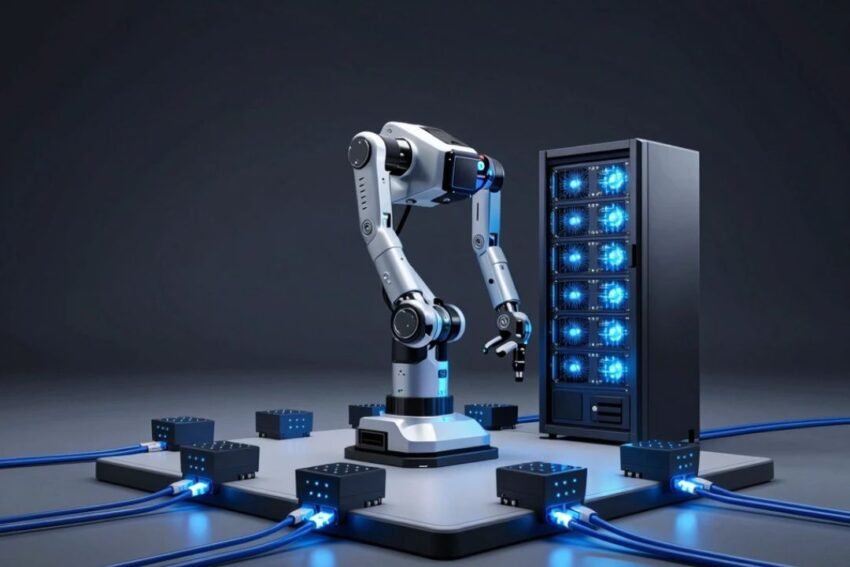
Robotics is becoming smarter through AI, sensors, and advanced computing.
Modern robots are no longer limited to repetitive factory tasks. They are becoming capable of learning, adapting, and working alongside humans.
Robotics Applications
Manufacturing
Robots improve:
- Production speed
- Accuracy
- Safety
- Quality control
Healthcare
Robots assist with:
- Medical procedures
- Patient support
- Rehabilitation
Logistics
Robots help with:
- Warehousing
- Delivery systems
- Inventory management
Agriculture
Smart robots support:
- Crop monitoring
- Automated farming
- Harvesting
The future of robotics will create more efficient and intelligent workplaces.
4. Internet of Things (IoT)
The Internet of Things connects physical devices through digital networks.
IoT devices collect information, communicate with each other, and perform automated actions.
Examples of IoT Technology
- Smart homes
- Smart watches
- Connected vehicles
- Smart factories
- Healthcare devices
- Smart cities
IoT is creating a world where everyday objects become intelligent and connected.
5. Smart Home Innovation
Smart homes are becoming more advanced through IoT and AI.
Future smart home systems can manage:
- Lighting
- Security
- Energy usage
- Temperature
- Entertainment
- Appliances
AI-powered homes can learn user preferences and automatically adjust settings for comfort and efficiency.
6. Smart Cities and Urban Technology
Cities are using technology to improve transportation, energy, and public services.
Smart city innovations include:
- Intelligent traffic systems
- Digital public services
- Smart energy networks
- Environmental monitoring
- Automated infrastructure
These technologies aim to create safer, cleaner, and more efficient urban environments.
7. Quantum Computing
Quantum computing is one of the most advanced areas of technology research.
Unlike traditional computers, quantum computers use quantum principles to solve complex calculations.
Potential applications include:
- Drug discovery
- Scientific research
- Financial modeling
- Climate analysis
- Cryptography
Although quantum computing is still developing, future breakthroughs could revolutionize computing capabilities.
8. Cloud Computing Evolution
Cloud computing remains essential for modern businesses.
Emerging cloud innovations include:
- AI-powered cloud services
- Hybrid cloud solutions
- Multi-cloud systems
- Cloud security improvements
- Serverless computing
Cloud technology allows organizations to store data, run applications, and scale operations efficiently.
9. Edge Computing
Edge computing processes data closer to where it is created.
This reduces delays and improves performance.
Important applications include:
- Autonomous vehicles
- Industrial automation
- Smart devices
- Real-time analytics
- Healthcare monitoring
Edge computing will become increasingly important as connected devices continue growing.
10. 5G and Next-Generation Networks
Fast and reliable connectivity is essential for future technologies.
Advanced networks support:
- Faster downloads
- Lower latency
- Connected devices
- Smart infrastructure
- Remote operations
5G technology enables industries to develop new solutions in transportation, healthcare, manufacturing, and entertainment.
11. Blockchain Technology
Blockchain is evolving beyond cryptocurrency.
Future blockchain applications include:
- Digital identity
- Secure payments
- Supply chain tracking
- Smart contracts
- Data verification
Blockchain provides transparency and security for digital transactions.
12. Web3 and Decentralized Applications
Web3 focuses on creating more decentralized digital experiences.
Potential benefits include:
- User ownership
- Digital assets
- Decentralized applications
- Greater control over online data
Web3 continues to influence the future of digital platforms.
13. Virtual Reality (VR) and Augmented Reality (AR)
Immersive technologies are changing how people interact with digital environments.
Virtual Reality Uses
- Gaming
- Training
- Education
- Virtual meetings
Augmented Reality Uses
- Shopping
- Navigation
- Industrial design
- Learning experiences
As devices improve, AR and VR will become more realistic and accessible.
14. Extended Reality (XR)
Extended Reality combines:
- Virtual Reality
- Augmented Reality
- Mixed Reality
XR technology can transform:
- Workplace collaboration
- Education
- Entertainment
- Healthcare training
The future may involve more natural interactions between humans and digital worlds.
15. Electric Vehicle Technology
Electric vehicles are transforming transportation.
Future EV innovations include:
- Better batteries
- Faster charging
- Longer driving range
- Smart vehicle systems
- Autonomous features
Electric mobility supports cleaner transportation and reduced environmental impact.
16. Autonomous Vehicles
Self-driving technology continues developing through:
- Artificial intelligence
- Sensors
- Cameras
- Machine learning
Future autonomous systems may improve:
- Road safety
- Transportation efficiency
- Delivery services
- Mobility access
Regulations and safety testing remain important for adoption.
17. Biotechnology and Healthcare Technology
Technology is transforming healthcare through advanced innovation.
Emerging healthcare technologies include:
- AI diagnosis
- Digital health platforms
- Genetic research
- Personalized medicine
- Medical robotics
These technologies can help doctors provide faster and more accurate healthcare solutions.
18. Wearable Technology
Wearable devices are becoming smarter and more useful.
Examples include:
- Smart watches
- Fitness trackers
- Health monitoring devices
- Smart glasses
Future wearables may provide more advanced health insights and personalized recommendations.
19. Green Technology
Technology is playing an important role in sustainability.
Green technology includes:
- Renewable energy
- Smart grids
- Energy storage
- Carbon reduction solutions
- Sustainable materials
These innovations help address environmental challenges.
20. Space Technology
Space technology is entering a new era.
Emerging developments include:
- Advanced satellites
- Space communication
- Commercial space exploration
- Earth monitoring
Space innovation can create opportunities in research, communication, and global services.
21. Digital Twin Technology
Digital twins create virtual models of real-world objects or systems.
Applications include:
- Manufacturing
- Engineering
- Healthcare
- Smart cities
Organizations use digital twins to test improvements and predict future problems.
22. Cybersecurity Innovation
As technology grows, cybersecurity becomes more important.
Future cybersecurity solutions include:
- AI threat detection
- Zero-trust security
- Advanced encryption
- Identity protection
Strong security systems are necessary to protect digital environments.
23. Data Science and Advanced Analytics
Data science helps organizations understand information and make better decisions.
Advanced analytics supports:
- Business forecasting
- Customer insights
- Risk management
- Process improvement
AI-powered analytics will continue improving how companies use data.
24. Low-Code and No-Code Platforms
Low-code and no-code platforms allow users to build applications faster.
Benefits include:
- Faster development
- Lower costs
- Increased innovation
- Easier automation
These tools allow more people to participate in software creation.
25. Future of Digital Work
Technology is changing workplaces worldwide.
Future workplaces will include:
- AI assistants
- Remote collaboration tools
- Automation systems
- Digital platforms
The combination of human skills and intelligent technology will define future work.
Benefits of Emerging Technologies
Higher Productivity
Automation helps businesses complete tasks faster.
Better Decision Making
AI and analytics provide valuable insights.
Improved Healthcare
Technology enables better diagnosis and treatment.
More Connectivity
Advanced networks connect people and devices globally.
Sustainable Solutions
Green technologies support environmental protection.
Challenges of Emerging Technologies
Privacy Issues
More connected systems create concerns about data protection.
Cybersecurity Risks
Digital growth increases security challenges.
High Development Costs
Advanced technologies often require significant investment.
Skill Requirements
People need continuous learning to adapt.
Ethical Concerns
AI and automation require responsible development.
Future Skills Needed in Technology
Important future skills include:
- AI knowledge
- Programming
- Data analysis
- Cybersecurity
- Cloud computing
- Digital literacy
- Problem-solving
- Creativity
Learning new skills will become essential in the technology-driven future.
Top Emerging Technologies in 2026 Summary
| Technology | Future Impact |
|---|---|
| Artificial Intelligence | Intelligent automation |
| Robotics | Smart machines |
| IoT | Connected environments |
| Quantum Computing | Advanced computing |
| Cloud Computing | Digital infrastructure |
| Blockchain | Secure transactions |
| AR/VR | Immersive experiences |
| EV Technology | Sustainable transportation |
| Biotechnology | Healthcare improvement |
| Green Technology | Environmental solutions |
Frequently Asked Questions
What are the top emerging technologies in 2026?
The top emerging technologies include AI, robotics, IoT, quantum computing, blockchain, cloud computing, AR/VR, biotechnology, and green technology.
Why is AI important for the future?
AI improves automation, decision-making, productivity, and innovation across multiple industries.
How will robotics change industries?
Robotics will improve manufacturing, healthcare, logistics, agriculture, and other sectors through intelligent automation.
What is the future of IoT?
IoT will create smarter homes, cities, vehicles, and industries through connected devices and real-time data.
Which technology skills will be important?
AI, programming, cybersecurity, cloud computing, and data science skills will be valuable for future careers.
Conclusion
The top emerging technologies in 2026 represent a new era of innovation where artificial intelligence, robotics, IoT, and next-generation solutions are transforming the digital world.
From smarter businesses and connected cities to advanced healthcare and sustainable transportation, these technologies are creating opportunities across every industry.
However, successful adoption requires responsible development, strong cybersecurity, ethical practices, and continuous learning.
The future belongs to those who understand technology trends and adapt to change. By embracing innovation today, individuals and organizations can prepare for a smarter, more connected, and more advanced digital future.