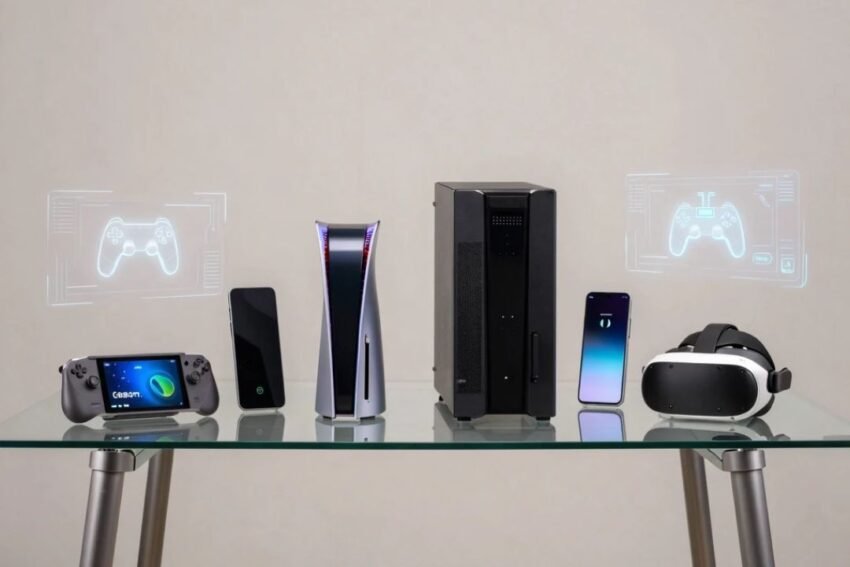
Introduction
The gaming industry has transformed from simple pixel-based entertainment into one of the most advanced technology-driven industries in the world. Today, gaming combines powerful hardware, artificial intelligence, high-speed networks, immersive experiences, and digital creativity to create interactive worlds.
In 2026, gaming technology is evolving faster than ever. Innovations such as AI-powered games, virtual reality, cloud gaming, advanced graphics, next-generation consoles, and smart gaming devices are changing how players experience digital entertainment.
Modern games are not only designed for fun; they are becoming complete digital ecosystems where players can socialize, compete, create content, and explore realistic virtual environments.
This article explains new gaming innovations, future trends, and the evolution of digital entertainment technology shaping the future of gaming.
What Is Gaming Technology?
Gaming technology refers to the hardware, software, and digital systems used to create, develop, and experience video games.
It includes:
- Gaming consoles
- Gaming PCs
- Mobile gaming devices
- Graphics technology
- Artificial Intelligence
- Virtual Reality
- Cloud platforms
- Game development tools
- Online gaming networks
Gaming technology continues improving to deliver faster performance, realistic visuals, and more interactive experiences.
1. Artificial Intelligence in Gaming
Artificial Intelligence is one of the biggest innovations in modern gaming.
AI helps developers create smarter and more realistic games by improving:
- Character behavior
- Game environments
- Story development
- Player interaction
- Automated testing
AI-powered NPCs can analyze player actions and respond intelligently, making games feel more dynamic.
Future AI games may create personalized experiences where every player’s journey is different.
2. Generative AI and Game Creation
Generative AI is revolutionizing game development.
Developers can use AI tools to create:
- Characters
- Game worlds
- Dialogue
- Animations
- Music
- Textures
- Missions
These tools help developers save time and produce more creative gaming experiences.
In the future, AI may allow players to design their own games using simple instructions.
3. Advanced Gaming Graphics
Graphics technology continues to push the boundaries of realism.
Modern games use advanced graphics techniques such as:
- Real-time rendering
- High-resolution textures
- Realistic lighting
- Advanced animation systems
These technologies create virtual worlds that look more realistic than ever before.
4. Ray Tracing and Visual Realism
Ray tracing is an important graphics innovation.
It improves:
- Lighting effects
- Reflections
- Shadows
- Environmental realism
With powerful graphics cards, ray tracing creates cinematic-quality visuals.
Future gaming experiences will continue moving closer to real-life visuals.
5. Virtual Reality (VR) Gaming
Virtual Reality creates immersive digital experiences by placing players inside virtual environments.
VR gaming provides:
- Full immersion
- Realistic movement
- Interactive gameplay
- New experiences
Future VR improvements include:
- Lightweight devices
- Better tracking
- Higher resolution
- More comfortable designs
VR will continue expanding in gaming, education, and professional training.
6. Augmented Reality (AR) Gaming
Augmented Reality combines digital content with the real world.
AR gaming allows players to interact with virtual objects through their surroundings.
Examples include:
- Mobile AR games
- Location-based experiences
- Interactive adventures
AR technology creates unique gameplay opportunities.
7. Cloud Gaming Technology
Cloud gaming is changing how people access video games.
Instead of depending on expensive hardware, players can stream games through internet servers.
Benefits of Cloud Gaming
- Instant game access
- Reduced storage requirements
- Play on multiple devices
- Lower hardware costs
Improved internet infrastructure will make cloud gaming more popular in the future.
8. Next-Generation Gaming Consoles
Modern consoles are becoming more powerful and intelligent.
Future console innovations include:
- Faster processors
- Advanced graphics
- AI optimization
- Larger storage
- Better performance
Next-generation consoles will continue improving gaming quality.
9. Gaming PC Innovation
Gaming PCs remain a major platform for high-performance gaming.
Future gaming computers feature:
- Powerful GPUs
- Faster processors
- Advanced cooling systems
- High-speed storage
PC gaming continues leading innovation because of customization and upgrade options.
10. Mobile Gaming Evolution
Mobile gaming has become one of the largest gaming markets worldwide.
Modern smartphones support:
- High-quality graphics
- Powerful processors
- Cloud gaming
- Competitive gaming
Gaming phones are becoming advanced alternatives to traditional devices.
11. Handheld Gaming Technology
Portable gaming devices are growing in popularity.
Modern handheld systems offer:
- Console-quality gaming
- Portable designs
- High-resolution displays
- Strong performance
Future handheld devices will focus on combining power with portability.
12. 5G and Online Gaming
Fast internet connectivity is essential for modern gaming.
5G technology improves:
- Multiplayer gaming
- Cloud streaming
- Mobile gaming
- Online competitions
Lower latency creates smoother and faster gameplay.
13. AI-Based Personalized Experiences
Future games will use AI to customize gameplay.
AI can adjust:
- Difficulty
- Missions
- Recommendations
- Story progression
- Challenges
This creates unique experiences for different players.
14. Realistic Physics and Simulation
Advanced physics technology improves realism in games.
Modern physics engines create better:
- Character movement
- Vehicle simulation
- Environmental destruction
- Object interaction
Realistic physics makes virtual worlds more believable.
15. Gaming Hardware Innovations
Gaming accessories are becoming more advanced.
Important hardware includes:
- Mechanical keyboards
- Gaming mice
- Wireless headsets
- Gaming chairs
- High-performance controllers
Better hardware improves comfort and competitive performance.
16. Gaming Monitor Technology
Gaming displays continue improving with:
- Higher refresh rates
- 4K resolution
- Faster response times
- Better colors
Popular gaming monitors include:
- 144Hz displays
- 240Hz displays
- Ultra-wide monitors
Advanced displays create smoother gaming experiences.
17. Esports Technology
Esports has become a global competitive industry.
Technology supports esports through:
- Performance analytics
- Live streaming
- AI coaching
- Advanced broadcasting
Future esports events will become even more professional and interactive.
18. Gaming Audio Innovation
Sound technology improves immersion.
Modern gaming audio includes:
- 3D audio
- Spatial sound
- Advanced gaming headsets
Realistic audio helps players feel connected to virtual worlds.
19. Haptic Feedback and Immersion
Haptic technology allows players to physically feel game actions.
Modern controllers provide:
- Adaptive triggers
- Vibration feedback
- Motion responses
Future systems may create even stronger physical connections between players and games.
20. Blockchain and Digital Gaming
Blockchain technology introduces new possibilities.
Potential gaming applications include:
- Digital ownership
- Virtual items
- Secure transactions
- Online economies
Blockchain may influence future digital gaming platforms.
21. Social Gaming Evolution
Gaming is becoming more social than ever.
Future gaming platforms may include:
- Virtual communities
- Digital events
- Social spaces
- Player-created content
Games are becoming complete online experiences.
22. Metaverse and Virtual Worlds
Metaverse gaming combines:
- Gaming
- Social interaction
- Digital environments
- Virtual economies
Future virtual worlds may allow players to work, socialize, and play in connected digital spaces.
23. Cloud-Based Game Development
Cloud technology is improving how developers create games.
Benefits include:
- Faster collaboration
- Remote development
- Scalable resources
- Efficient testing
Cloud tools help studios build games more effectively.
24. Sustainable Gaming Technology
The gaming industry is focusing on sustainability.
Future improvements include:
- Energy-efficient devices
- Eco-friendly manufacturing
- Reduced power consumption
Green gaming technology will become more important.
25. Future of Digital Entertainment
Gaming technology will continue combining:
- Artificial Intelligence
- Immersive experiences
- Advanced hardware
- Cloud systems
- Social platforms
The future of gaming will provide smarter, more interactive, and more personalized entertainment.
Benefits of Gaming Technology Innovations
Improved Entertainment
Advanced technology creates deeper gaming experiences.
Better Accessibility
Cloud and mobile gaming allow more players to participate.
Creative Opportunities
AI tools help developers create innovative content.
Global Communities
Online gaming connects millions of players.
Career Growth
Gaming technology creates opportunities in development, design, and esports.
Challenges of Gaming Technology
Expensive Equipment
Advanced gaming devices can be costly.
Security Concerns
Online platforms require strong cybersecurity.
Internet Requirements
Cloud gaming depends on stable connections.
Development Challenges
Modern games require advanced skills.
Digital Health Concerns
Balanced gaming habits remain important.
Future Gaming Technology Trends
| Technology | Future Impact |
|---|---|
| Artificial Intelligence | Smarter games |
| VR/AR | Immersive experiences |
| Cloud Gaming | Flexible access |
| Ray Tracing | Realistic visuals |
| Advanced Consoles | Better performance |
| 5G Networks | Faster gaming |
| Blockchain | Digital ownership |
| AI Tools | Faster development |
| Esports Technology | Competitive growth |
| XR Gaming | Future digital worlds |
Frequently Asked Questions
What is gaming technology?
Gaming technology includes the hardware, software, and innovations used to create and experience video games.
What are the biggest gaming trends in 2026?
Major trends include AI gaming, cloud gaming, VR, AR, advanced consoles, and powerful gaming hardware.
How is AI changing gaming?
AI improves game development, character behavior, personalization, and player experiences.
Will cloud gaming replace consoles?
Cloud gaming will grow, but consoles and PCs will continue playing important roles.
What skills are useful for gaming careers?
Programming, AI, game design, animation, graphics, and cloud technology skills are valuable.
Conclusion
Gaming technology is entering a new era of digital entertainment evolution. Innovations in AI, VR, cloud gaming, advanced graphics, and powerful hardware are transforming how games are created and experienced.
The future of gaming will be smarter, faster, and more immersive. Players will enjoy realistic worlds, personalized experiences, and connected communities powered by advanced technology.
As gaming continues evolving, it will remain one of the most innovative and exciting technology industries in the digital world.