Introduction
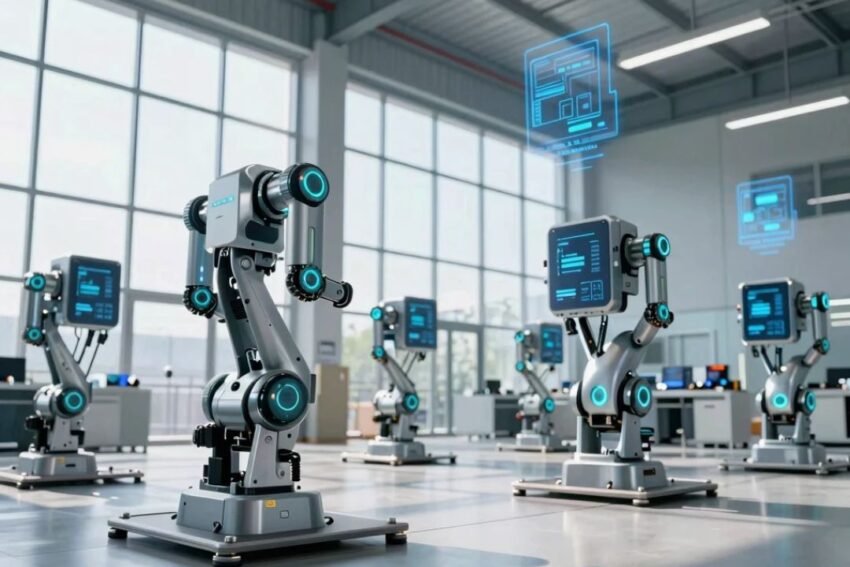
The future of robotics and automation is transforming the way humans live, work, and interact with technology. With rapid advancements in Artificial Intelligence (AI), machine learning, sensors, robotics systems, and automation software, smart machines are becoming more intelligent, efficient, and capable.
In 2026, AI robots and automated systems are moving beyond traditional industrial applications. They are entering healthcare, transportation, agriculture, education, retail, homes, and many other areas.
Robotics is no longer only about machines performing repetitive tasks. The next generation of robots will be able to understand environments, make decisions, learn from experiences, and collaborate with humans.
This article explores the future of robotics and automation, including AI robots, smart machines, next-generation technologies, benefits, challenges, and opportunities.
What Is the Future of Robotics and Automation?
Robotics and automation combine advanced machines with intelligent software to perform tasks with minimal human involvement.
Future robotics technology includes:
- AI-powered robots
- Autonomous machines
- Humanoid robots
- Smart factories
- Robotic assistants
- Automated transportation
- Intelligent software systems
These innovations are creating a world where humans and machines work together to improve productivity and efficiency.
1. AI Robots: The Next Generation of Intelligent Machines
Artificial Intelligence is the foundation of future robotics.
AI allows robots to:
- Learn from data
- Recognize objects
- Understand commands
- Make decisions
- Adapt to environments
Unlike traditional robots that follow fixed instructions, AI robots can respond to changing situations.
Future AI robots will become more flexible and useful across multiple industries.
2. Smart Machines Powered by Machine Learning
Machine learning enables robots to improve performance over time.
Smart machines can analyze information and adjust their actions based on previous experiences.
Applications include:
- Manufacturing robots
- Medical robots
- Autonomous vehicles
- Smart assistants
Machine learning will make future robots more accurate and independent.
3. Humanoid Robots Development
Humanoid robots are designed to look and behave like humans.
Future humanoid robots may assist with:
- Customer service
- Healthcare support
- Education
- Home assistance
- Industrial work
Advances in AI, sensors, and robotics engineering are making humanoid robots more realistic and capable.
4. Human-Robot Collaboration
The future of automation is not only about replacing human tasks. It is about collaboration between humans and machines.
Collaborative robots, also known as cobots, help workers by:
- Improving safety
- Reducing physical effort
- Increasing productivity
- Supporting complex tasks
Human-robot teamwork will become common in many workplaces.
5. Smart Factories and Industry 4.0
Manufacturing is one of the biggest areas impacted by robotics.
Smart factories use:
- Robots
- AI
- IoT devices
- Data analytics
- Automation systems
These technologies help businesses:
- Improve production
- Reduce waste
- Monitor operations
- Predict maintenance needs
Industry 4.0 is creating highly connected and intelligent manufacturing environments.
6. Autonomous Robots in Logistics
The logistics industry is rapidly adopting robotic automation.
Autonomous robots help with:
- Warehouse operations
- Product sorting
- Delivery systems
- Inventory management
AI-powered robots can navigate environments and complete tasks without constant human control.
7. Healthcare Robotics Revolution
Healthcare robotics is one of the most promising areas of innovation.
Robots are being used for:
- Robotic surgery
- Patient assistance
- Rehabilitation
- Medical delivery
- Laboratory automation
Future medical robots will provide more accurate, faster, and personalized healthcare solutions.
8. Robotic Surgery and AI Assistance
Robotic surgery technology is improving medical procedures.
Benefits include:
- Greater precision
- Smaller surgical cuts
- Better control
- Faster recovery
Future AI-assisted surgical robots may help doctors make more accurate decisions during operations.
9. Robotics in Agriculture
Agriculture is becoming smarter through automation.
Agricultural robots help farmers with:
- Crop monitoring
- Planting
- Harvesting
- Weed detection
- Soil analysis
AI farming robots can improve food production while reducing resource usage.
10. Autonomous Vehicles and Smart Transportation
Robotics is changing transportation through autonomous technology.
Self-driving systems use:
- Artificial intelligence
- Cameras
- Sensors
- Machine learning
Applications include:
- Autonomous cars
- Delivery vehicles
- Smart public transport
Future transportation systems will become safer and more efficient.
11. AI Automation in Businesses
Businesses are adopting AI automation to improve operations.
Automation helps with:
- Customer service
- Data management
- Financial processes
- Marketing
- Workflow optimization
AI-powered systems allow companies to save time and improve productivity.
12. Robotic Process Automation (RPA)
RPA focuses on automating digital tasks.
Businesses use RPA for:
- Data entry
- Document processing
- Reporting
- Administrative work
RPA allows employees to focus on more creative and strategic activities.
13. Internet of Things (IoT) Connected Robots
IoT allows robots to communicate with other devices.
Connected robots can:
- Share information
- Monitor systems
- Receive updates
- Work together
IoT-powered robotics will play a major role in smart cities and industries.
14. Edge Computing for Faster Robotics
Edge computing improves robotic performance by processing data near the machine.
Benefits include:
- Faster response times
- Reduced delays
- Better reliability
- Real-time decisions
Edge computing is important for autonomous robots and industrial automation.
15. Advanced Sensors and Perception Technology
Modern robots rely on advanced sensors to understand their surroundings.
Important technologies include:
- Cameras
- LiDAR
- Motion sensors
- Environmental sensors
Better sensors allow robots to operate safely and accurately.
16. Robotics in Homes and Daily Life
Future homes may include intelligent robotic assistants.
Home robots may help with:
- Cleaning
- Security
- Elder care
- Personal assistance
Smart home robotics will improve convenience and quality of life.
17. Robotics in Education
Robotics technology is changing education.
Robotic systems help students learn:
- Programming
- Engineering
- Artificial intelligence
- Problem-solving
Future education will include more hands-on technology learning.
18. Drone Automation Technology
Drones are becoming advanced robotic systems.
AI-powered drones are used for:
- Delivery
- Agriculture
- Surveillance
- Mapping
- Research
Future drones will become more autonomous and efficient.
19. Space Robotics and Exploration
Robots play an important role in space exploration.
Space robots help with:
- Planet research
- Data collection
- Remote operations
- Exploration missions
Future robotic systems may support missions beyond Earth.
20. Sustainable Robotics Solutions
Robotics can support environmental goals.
Applications include:
- Waste management robots
- Energy-efficient machines
- Environmental monitoring
Automation can help industries become more sustainable.
Benefits of Future Robotics and Automation
Higher Productivity
Robots complete tasks faster and continuously.
Improved Accuracy
Smart machines reduce human errors.
Better Safety
Robots can perform dangerous tasks.
Lower Operational Costs
Automation improves efficiency.
Innovation Opportunities
Robotics creates new business and career possibilities.
Challenges of Robotics and Automation
High Development Costs
Advanced robotics requires major investment.
Workforce Changes
Automation creates the need for new skills.
Cybersecurity Risks
Connected robots require strong protection.
Technical Complexity
Maintaining intelligent systems can be challenging.
Ethical Concerns
Responsible AI and robotics development are important.
Future Career Opportunities in Robotics
The robotics industry will create opportunities in:
- Robotics engineering
- AI development
- Machine learning
- Software programming
- Automation management
- Data science
- Industrial technology
Learning technology skills will become increasingly valuable.
Future Robotics and Automation Trends
| Technology | Future Impact |
|---|---|
| AI Robots | Intelligent automation |
| Humanoid Robots | Human-like assistance |
| Cobots | Human-machine teamwork |
| Smart Factories | Automated production |
| Healthcare Robots | Better medical care |
| Autonomous Vehicles | Smarter transportation |
| IoT Robotics | Connected systems |
| Drone Technology | Automated services |
| RPA | Digital workflow automation |
| Space Robotics | Future exploration |
Frequently Asked Questions
What is the future of robotics and automation?
The future includes AI robots, smart machines, autonomous systems, and human-robot collaboration across industries.
How will AI improve robots?
AI helps robots learn, make decisions, understand environments, and perform complex tasks.
Will robots replace human workers?
Robots will automate many tasks, but human creativity, decision-making, and collaboration will remain important.
Which industries will benefit from robotics?
Healthcare, manufacturing, agriculture, logistics, transportation, and business services will benefit greatly.
What skills are needed for robotics careers?
Programming, AI, engineering, automation, and machine learning skills are highly valuable.
Conclusion
The future of robotics and automation is creating a world where intelligent machines and humans work together. AI robots, smart machines, and next-generation technologies are transforming industries by improving efficiency, safety, and innovation.
From smart factories and healthcare robots to autonomous vehicles and home assistants, robotics will continue becoming a major part of everyday life.
As technology advances, the future will not simply belong to machines—it will belong to the collaboration between human intelligence and artificial intelligence.