Introduction
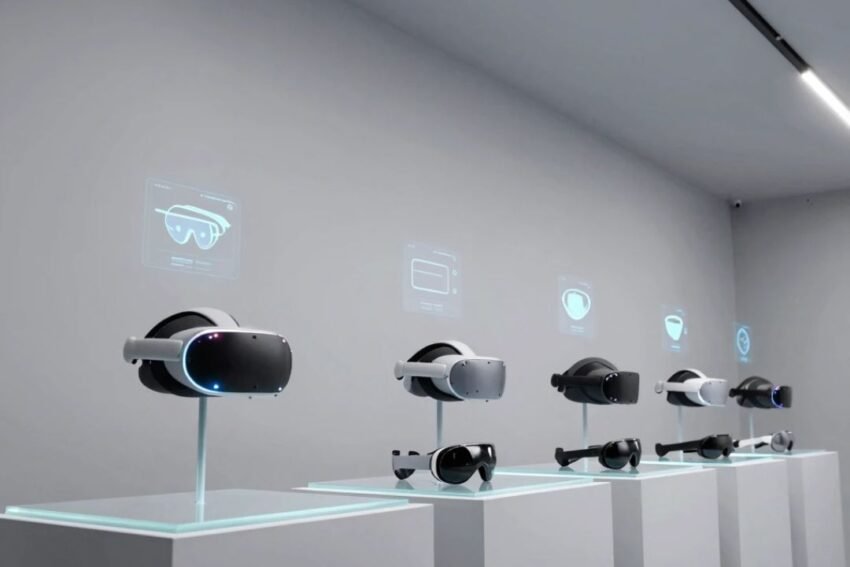
Virtual Reality (VR) and Augmented Reality (AR) are driving the next generation of digital transformation in 2026. These immersive technologies are changing how people experience entertainment, education, healthcare, business, shopping, and communication.
With rapid advancements in Artificial Intelligence (AI), spatial computing, smart devices, 5G connectivity, cloud technology, and advanced sensors, VR and AR are becoming more realistic, powerful, and accessible.
The future of digital reality is moving toward a world where physical and virtual environments work together seamlessly. Smart glasses, AI-powered virtual worlds, mixed reality systems, and immersive applications are creating new opportunities for individuals and businesses.
This article explores the latest VR and AR trends in 2026, including advanced technologies, smart devices, applications, benefits, challenges, and the future of digital reality.
What Are VR and AR Technologies?
Virtual Reality (VR)
Virtual Reality creates a completely simulated digital environment that users can experience through specialized devices.
VR technology includes:
- VR headsets
- Motion controllers
- Tracking sensors
- 3D graphics
- Spatial audio
VR provides a fully immersive experience by replacing the real world with a digital environment.
Augmented Reality (AR)
Augmented Reality enhances the real world by adding digital information and interactive elements.
AR uses:
- Smart glasses
- Smartphones
- Cameras
- Sensors
- Computer vision
AR allows users to see and interact with digital content in real-world environments.
Why VR and AR Are Growing in 2026
The growth of immersive technology is powered by:
- Artificial Intelligence advancements
- Better hardware design
- Faster internet networks
- Improved graphics processing
- Lower device costs
- Increased business adoption
These developments are making VR and AR useful across multiple industries.
1. AI-Powered Digital Reality Experiences
Artificial Intelligence is becoming the foundation of modern VR and AR systems.
AI enables:
- Intelligent virtual environments
- Personalized experiences
- Realistic digital characters
- Automated content creation
AI-powered immersive technology can learn from users and provide more engaging experiences.
2. Next-Generation Smart AR Glasses
Smart glasses are one of the biggest AR trends in 2026.
Advanced AR glasses provide:
- Digital information displays
- Navigation support
- Real-time translation
- Workplace assistance
- Hands-free computing
Future AR glasses may replace traditional screens for many daily activities.
3. Spatial Computing Innovation
Spatial computing is transforming digital interaction.
It combines:
- AR
- VR
- AI
- Sensors
- 3D environments
Spatial computing allows users to interact naturally with digital objects in physical spaces.
4. Mixed Reality (MR) Expansion
Mixed Reality combines VR and AR capabilities.
MR allows users to:
- View digital objects in real spaces
- Interact with virtual content
- Collaborate in hybrid environments
Industries such as healthcare, engineering, and education are adopting MR solutions.
5. AI-Generated Virtual Worlds
AI is changing how virtual environments are created.
AI tools can generate:
- Digital landscapes
- Virtual cities
- Characters
- Interactive scenarios
This allows developers to create larger and more realistic virtual experiences.
6. Immersive Gaming Revolution
Gaming remains one of the strongest drivers of VR technology.
Future VR gaming features:
- Ultra-realistic environments
- AI-powered characters
- Advanced motion tracking
- Interactive gameplay
Players will experience deeper levels of immersion.
7. AR-Powered Shopping Experiences
Augmented Reality is transforming online shopping.
Customers can:
- Try products virtually
- Preview furniture
- Test designs
- Visualize purchases
AR helps businesses improve customer engagement and confidence.
8. Healthcare Transformation Through VR and AR
Healthcare is benefiting from immersive technology.
Applications include:
- Medical education
- Surgery preparation
- Patient rehabilitation
- Therapy solutions
VR and AR help medical professionals improve accuracy and training.
9. Virtual Training and Simulation
Organizations are using VR for realistic training.
Industries include:
- Aviation
- Healthcare
- Manufacturing
- Defense
- Construction
VR simulations provide safe and effective learning environments.
10. AI Virtual Humans and Digital Avatars
AI avatars are becoming more advanced.
Digital humans can support:
- Customer service
- Virtual meetings
- Online education
- Personal assistance
Future AI avatars will communicate more naturally.
11. Cloud-Based VR and AR
Cloud technology is improving immersive experiences.
Cloud-based systems provide:
- Powerful computing
- Faster updates
- Reduced hardware requirements
- Better accessibility
Users can enjoy advanced experiences without expensive devices.
12. 5G and High-Speed Connectivity
Fast networks are essential for immersive technology.
5G improves:
- Real-time interactions
- Streaming quality
- Device communication
- Low-latency experiences
Better connectivity will accelerate VR and AR adoption.
13. Enterprise VR and AR Solutions
Businesses are adopting immersive technology for:
- Training
- Product design
- Marketing
- Collaboration
VR and AR are becoming important tools for digital transformation.
14. Virtual Offices and Remote Collaboration
Remote work is changing with immersive technology.
Virtual offices provide:
- 3D meeting spaces
- Digital work environments
- Interactive collaboration tools
Teams can work together more effectively from anywhere.
15. Automotive AR Innovations
The automotive industry is using AR for:
- Smart dashboards
- Navigation systems
- Vehicle design
- Virtual showrooms
Future vehicles may include advanced AR displays.
16. Manufacturing and Industrial AR
Factories use AR technology to improve operations.
Applications include:
- Maintenance support
- Worker guidance
- Equipment monitoring
- Quality control
AR helps increase productivity and reduce mistakes.
17. Virtual Tourism and Digital Exploration
VR is creating new travel experiences.
Virtual tourism allows users to:
- Explore destinations
- Visit museums
- Experience landmarks
Digital travel experiences are becoming more popular.
18. Education Through Immersive Learning
VR and AR are transforming classrooms.
Students can experience:
- Virtual experiments
- Historical simulations
- Interactive lessons
- 3D learning models
Immersive education improves understanding and engagement.
19. Wearable Technology Integration
Future VR and AR systems will connect with wearable devices.
Examples include:
- Smart watches
- Fitness trackers
- Health monitors
Wearables will provide personalized immersive experiences.
20. Future of Digital Reality
The future of VR and AR will focus on:
- More realistic experiences
- Smaller smart devices
- Better AI integration
- Stronger connectivity
- Wider adoption
Digital reality will become a normal part of everyday life.
Benefits of VR and AR Technology
Enhanced Experiences
Immersive technology creates realistic digital interactions.
Better Learning and Training
Users can practice skills in safe environments.
Improved Productivity
Businesses can solve problems faster.
Increased Customer Engagement
Brands can offer interactive experiences.
New Innovation Opportunities
VR and AR create new markets and careers.
Better Communication
Virtual spaces improve remote interaction.
Challenges of VR and AR Technology
Expensive Hardware
Advanced devices can still be costly.
Privacy and Security Risks
AR devices collect personal and environmental data.
Technical Limitations
Battery life and processing power remain challenges.
User Comfort
Long VR sessions may create discomfort.
Content Development Costs
High-quality immersive content requires investment.
VR & AR Trends Summary 2026
| Trend | Impact |
|---|---|
| AI Integration | Smarter digital experiences |
| AR Glasses | Everyday augmented reality |
| Spatial Computing | Natural interactions |
| Mixed Reality | Real and virtual connection |
| VR Gaming | Immersive entertainment |
| Healthcare VR/AR | Better medical solutions |
| Cloud Technology | Powerful experiences |
| 5G Connectivity | Faster performance |
| AI Avatars | Digital communication |
| Virtual Training | Safer learning |
Frequently Asked Questions
What are the latest VR and AR trends in 2026?
The latest trends include AI-powered experiences, smart AR glasses, spatial computing, mixed reality, and cloud-based immersive technology.
How is AI improving VR and AR?
AI helps create realistic environments, intelligent characters, and personalized experiences.
Are VR and AR only used for entertainment?
No, they are used in healthcare, education, business, manufacturing, retail, and many other industries.
Will AR glasses become popular?
Yes, future AR glasses are expected to become important tools for communication and productivity.
What is the future of digital reality?
The future includes advanced immersive experiences that combine physical and digital worlds.
Conclusion
The latest VR and AR trends in 2026 are shaping the future of digital reality through powerful innovations, smart devices, and AI-driven experiences.
From immersive gaming and virtual education to healthcare solutions and enterprise applications, VR and AR are transforming how people interact with technology.
As these technologies continue to evolve, the boundary between the real and digital worlds will become smaller, creating a future filled with smarter, more interactive, and more connected experiences.