Introduction
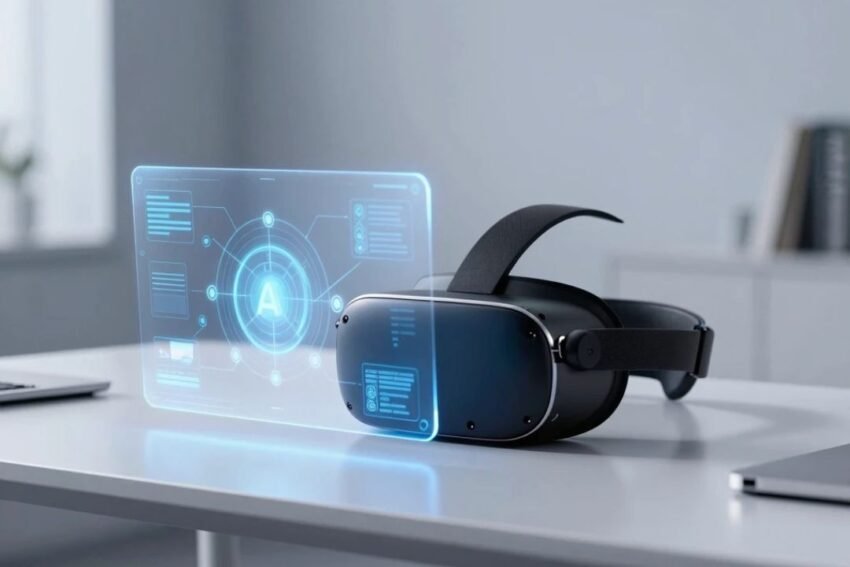
The future of Virtual Reality (VR) and Augmented Reality (AR) is shaping a new era of digital interaction. In 2026, immersive technologies are becoming more advanced with the integration of Artificial Intelligence (AI), spatial computing, cloud technology, 5G networks, and smart devices.
VR and AR are no longer limited to gaming and entertainment. These technologies are transforming industries such as healthcare, education, business, manufacturing, retail, transportation, and communication.
The next generation of immersive technology will create digital experiences that feel more realistic, intelligent, and interactive. AI-powered systems will allow virtual environments to understand users, respond to actions, and provide personalized experiences.
This article explores the future of VR and AR technology, including immersive experiences, AI integration, next-generation innovations, applications, benefits, challenges, and future opportunities.
What Is VR and AR Technology?
Virtual Reality (VR)
Virtual Reality creates a completely digital environment where users can experience and interact with a simulated world.
VR technology uses:
- Headsets
- Motion sensors
- Controllers
- 3D graphics
- Spatial audio
VR provides fully immersive experiences for entertainment, training, education, and professional applications.
Augmented Reality (AR)
Augmented Reality combines digital content with the real world.
AR technology uses:
- Cameras
- Sensors
- Smart glasses
- Mobile devices
- Computer vision
AR enhances real-world experiences by adding digital information, graphics, and interactive elements.
How AI Is Transforming VR and AR
Artificial Intelligence is becoming a key component of immersive technology.
AI improves VR and AR by enabling:
- Realistic virtual environments
- Intelligent digital characters
- Natural interactions
- Personalized experiences
- Automated content creation
AI-powered immersive systems can analyze user behavior and adapt experiences accordingly.
1. AI-Generated Virtual Worlds
One of the biggest future trends is AI-generated digital environments.
AI can automatically create:
- Virtual landscapes
- Buildings
- Characters
- Interactive scenarios
This reduces development time and allows creators to build larger and more detailed virtual worlds.
2. Intelligent Virtual Characters
AI is making virtual characters more realistic.
Future digital characters will:
- Understand conversations
- Show emotions
- Respond naturally
- Learn from interactions
AI avatars will become common in gaming, education, customer service, and virtual meetings.
3. Advanced VR Gaming Experiences
Gaming will continue to be a major driver of VR innovation.
Future VR games will include:
- Realistic environments
- AI-powered opponents
- Better motion tracking
- Immersive storytelling
Players will experience games that feel closer to real-life environments.
4. AR Smart Glasses Innovation
Smart glasses are expected to become a major AR technology.
Future AR glasses may provide:
- Real-time information
- Navigation assistance
- Translation features
- Workplace support
- Digital notifications
AR glasses could become everyday computing devices.
5. Spatial Computing Growth
Spatial computing is one of the most important future developments.
It combines:
- VR
- AR
- AI
- Sensors
- 3D environments
Spatial computing allows digital objects to interact naturally with physical spaces.
6. Mixed Reality Advancement
Mixed Reality (MR) combines elements of both VR and AR.
MR allows users to:
- View digital objects in real spaces
- Interact with virtual elements
- Collaborate in hybrid environments
Applications include:
- Engineering
- Healthcare
- Education
- Design
7. AI-Powered Healthcare Solutions
Healthcare is one of the most promising areas for VR and AR.
Applications include:
- Medical training
- Surgical planning
- Patient therapy
- Rehabilitation
Doctors can use immersive technology to improve accuracy and provide better treatment.
8. Virtual Reality Medical Training
VR provides safe environments for medical education.
Students and professionals can practice:
- Surgical procedures
- Emergency response
- Patient care
without risking real patients.
9. AR-Assisted Surgery
Augmented Reality can provide doctors with real-time information during procedures.
AR systems can display:
- Medical images
- Patient information
- Surgical guidance
This can improve precision and decision-making.
10. Immersive Education and Learning
VR and AR are transforming education.
Students can experience:
- Virtual classrooms
- Historical events
- Science experiments
- 3D models
Immersive learning improves engagement and understanding.
11. VR and AR in Business
Businesses are adopting immersive technologies for:
- Training
- Product demonstrations
- Marketing
- Collaboration
Companies can create better customer experiences and improve workplace efficiency.
12. Virtual Workspaces and Remote Collaboration
The future of remote work may include virtual offices.
VR workspaces provide:
- Digital meeting rooms
- 3D collaboration spaces
- Interactive presentations
Teams can work together from anywhere.
13. AR Shopping Experiences
Augmented Reality is changing online shopping.
Customers can:
- Try products virtually
- Preview furniture
- Test designs
- Visualize purchases
AR helps customers make better buying decisions.
14. Virtual Tourism and Travel
VR allows users to explore destinations digitally.
Virtual tourism provides:
- 360-degree experiences
- Virtual tours
- Cultural exploration
People can experience locations before traveling.
15. Automotive VR and AR Applications
The automotive industry uses immersive technology for:
- Vehicle design
- Virtual showrooms
- Driver training
- Navigation
Future vehicles may include advanced AR displays.
16. Manufacturing and Industrial AR
Industries use AR for:
- Equipment maintenance
- Worker training
- Product design
- Quality inspection
AR provides workers with real-time instructions and information.
17. Cloud-Based VR and AR
Cloud technology will make immersive experiences more powerful.
Cloud-based systems provide:
- Better processing power
- Faster updates
- Reduced hardware requirements
Users may access advanced VR and AR experiences without expensive equipment.
18. 5G and Immersive Connectivity
High-speed networks are improving VR and AR performance.
5G enables:
- Low latency
- Faster streaming
- Real-time interaction
Better connectivity will support more advanced immersive applications.
19. Digital Humans and AI Avatars
AI-powered digital humans are becoming more realistic.
They can be used for:
- Virtual assistants
- Online services
- Education
- Customer support
Future digital humans will provide more natural communication.
20. Future Enterprise Adoption
Companies will increasingly use VR and AR for:
- Employee training
- Product development
- Remote teamwork
- Customer experiences
Immersive technology will become a major business innovation tool.
Benefits of VR and AR Technology
Enhanced User Experiences
Immersive technology creates deeper digital interactions.
Better Training and Education
Users can learn through realistic simulations.
Improved Productivity
Businesses can solve problems faster.
Stronger Customer Engagement
Brands can create interactive experiences.
Innovation Opportunities
VR and AR create new industries and career paths.
Remote Collaboration
People can connect through virtual environments.
Challenges of VR and AR Technology
High Device Costs
Advanced hardware can be expensive.
Privacy Concerns
AR devices collect environmental information.
Hardware Limitations
Battery life and device comfort remain challenges.
Content Creation Costs
High-quality immersive content requires investment.
User Adoption
Some users may need time to adapt.
Future VR and AR Trends
| Technology | Future Impact |
|---|---|
| AI Integration | Smarter immersive experiences |
| Smart Glasses | Everyday AR usage |
| Spatial Computing | Natural digital interaction |
| Mixed Reality | Digital and physical combination |
| AI Avatars | Better communication |
| Cloud VR | Powerful remote experiences |
| Healthcare VR/AR | Improved medical solutions |
| AR Shopping | Better customer experience |
| Virtual Training | Safer education |
| Immersive Gaming | Realistic entertainment |
Frequently Asked Questions
What is the future of VR and AR technology?
The future includes AI-powered experiences, smart glasses, spatial computing, and advanced immersive environments.
How does AI improve VR and AR?
AI creates realistic environments, intelligent characters, and personalized digital experiences.
Which industries use VR and AR?
Healthcare, education, gaming, retail, manufacturing, automotive, and business sectors use immersive technology.
Will VR and AR replace traditional technology?
VR and AR will not completely replace existing technology but will create new ways to interact with digital content.
Are VR and AR technologies growing?
Yes, improvements in AI, hardware, and connectivity are accelerating VR and AR adoption.
Conclusion
The future of VR and AR technology is creating a new generation of immersive digital experiences powered by AI, advanced hardware, and intelligent systems.
From virtual worlds and smart glasses to healthcare solutions and digital workplaces, immersive technology is transforming how people learn, work, communicate, and entertain themselves.
As innovation continues, VR and AR will become more realistic, accessible, and integrated into everyday life, creating a future where digital and physical experiences blend together seamlessly.