Introduction
Technology has become one of the most powerful forces shaping modern society. From artificial intelligence and smart devices to advanced healthcare solutions and sustainable innovations, new technologies are changing how people live, work, communicate, and interact with the world.
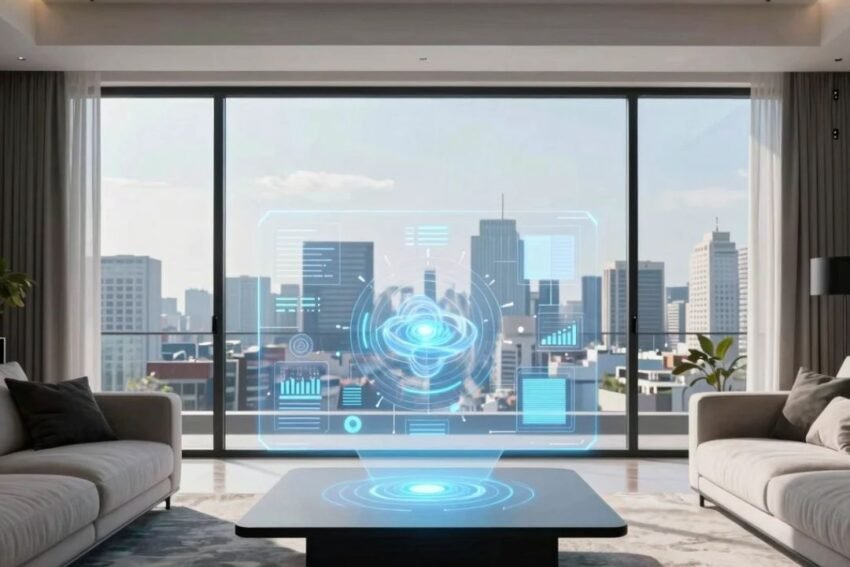
In 2026, technology innovation is moving toward smarter, faster, and more connected solutions. Artificial intelligence, robotics, automation, quantum computing, Internet of Things (IoT), advanced networks, and green technology are creating new possibilities across industries.
These revolutionary technologies are not only improving convenience but also helping solve major challenges in healthcare, transportation, education, business, and environmental protection.
This guide explores the latest technology innovations in 2026 and how these trends are changing the way we live.
1. Artificial Intelligence Revolution
Artificial Intelligence (AI) continues to be the biggest technology innovation in 2026.
AI systems are becoming more intelligent, helping individuals and businesses automate tasks, analyze information, and make better decisions.
AI Applications in Daily Life
- AI assistants
- Smart recommendations
- Voice technology
- Automated customer support
- Personalized learning
- Healthcare analysis
- Business automation
Generative AI is also expanding rapidly, allowing users to create content, images, videos, software code, and digital designs.
AI is becoming a powerful partner that enhances human productivity and creativity.
2. AI-Powered Personal Assistants
The next generation of digital assistants is becoming more advanced.
Modern AI assistants can help with:
- Scheduling tasks
- Managing information
- Answering questions
- Automating workflows
- Providing personalized recommendations
Future AI assistants will become more proactive, understanding user preferences and helping complete complex activities.
3. Robotics and Smart Machines
Robotics is transforming industries by creating intelligent machines capable of performing advanced tasks.
Modern robots are being used in:
- Factories
- Hospitals
- Warehouses
- Agriculture
- Research centers
AI-powered robots can learn from environments, improve performance, and collaborate with humans.
The future of robotics will focus on creating safer, smarter, and more adaptable machines.
4. Internet of Things (IoT) Innovation
The Internet of Things connects everyday devices to digital networks.
IoT technology allows devices to:
- Collect data
- Communicate automatically
- Improve efficiency
- Provide real-time information
Examples include:
- Smart homes
- Wearable devices
- Connected cars
- Smart factories
- Healthcare monitors
IoT is creating a more connected and intelligent world.
5. Smart Home Technology
Smart homes are becoming more advanced through AI and IoT.
Future smart home systems can manage:
- Security cameras
- Lighting
- Energy usage
- Temperature
- Appliances
- Entertainment systems
AI-powered homes can learn user behavior and automatically adjust settings for comfort and efficiency.
6. Advanced Healthcare Technology
Technology is transforming healthcare by improving diagnosis, treatment, and patient monitoring.
Important healthcare innovations include:
- AI medical analysis
- Digital health platforms
- Robotic surgery
- Wearable health devices
- Personalized medicine
These technologies help healthcare professionals provide faster and more accurate solutions.
7. Wearable Health Devices
Wearable technology is becoming more powerful and useful.
Modern devices can monitor:
- Fitness activity
- Heart rate
- Sleep patterns
- Health indicators
Future wearable devices may provide more detailed health insights and support preventive healthcare.
8. Quantum Computing Breakthroughs
Quantum computing represents a new generation of computing technology.
Unlike traditional computers, quantum computers can process certain complex problems using quantum principles.
Potential applications include:
- Scientific research
- Drug development
- Climate studies
- Financial modeling
- Advanced cybersecurity
Quantum computing could unlock solutions to problems that are difficult for traditional computers.
9. Cloud Computing Innovation
Cloud technology continues supporting digital transformation.
Latest cloud innovations include:
- AI-powered cloud services
- Hybrid cloud solutions
- Advanced security systems
- Cloud automation
- Scalable business platforms
Cloud computing allows organizations to store, manage, and process data more efficiently.
10. Edge Computing Growth
Edge computing improves performance by processing data closer to the source.
Benefits include:
- Faster response times
- Reduced delays
- Better reliability
- Improved real-time processing
Edge computing is important for:
- Autonomous vehicles
- Smart factories
- IoT systems
- Connected devices
11. Next-Generation Internet and 5G
Advanced connectivity is becoming the foundation of future technology.
5G and future networks provide:
- Faster communication
- Lower latency
- More connected devices
- Better reliability
These networks support innovations in:
- Healthcare
- Transportation
- Entertainment
- Manufacturing
12. Blockchain Technology Expansion
Blockchain technology is expanding beyond digital currencies.
New applications include:
- Digital identity
- Secure payments
- Supply chain management
- Data verification
- Smart contracts
Blockchain helps create transparent and secure digital systems.
13. Virtual Reality and Augmented Reality
Immersive technologies are changing digital experiences.
Virtual Reality (VR) creates digital environments, while Augmented Reality (AR) adds digital elements to the real world.
Applications include:
- Gaming
- Education
- Training
- Shopping
- Healthcare
- Remote collaboration
These technologies are making digital experiences more interactive.
14. Extended Reality (XR)
Extended Reality combines multiple immersive technologies.
XR includes:
- Virtual Reality
- Augmented Reality
- Mixed Reality
Future XR applications may transform:
- Online learning
- Workplace collaboration
- Entertainment
- Industrial training
15. Electric Vehicle Innovation
Electric vehicles are becoming an important part of future transportation.
Technology improvements include:
- Better batteries
- Faster charging
- Longer driving range
- Intelligent vehicle systems
EV innovation supports cleaner transportation and reduces dependence on traditional fuels.
16. Autonomous Driving Technology
Self-driving technology is advancing through AI, sensors, and machine learning.
Autonomous vehicles may improve:
- Road safety
- Transportation efficiency
- Delivery systems
- Accessibility
Future transportation will likely become more connected and automated.
17. Green Technology Solutions
Sustainability is becoming a major focus of technology innovation.
Green technologies include:
- Renewable energy
- Smart energy systems
- Energy storage
- Sustainable materials
- Carbon reduction solutions
These innovations help protect the environment while supporting economic development.
18. Space Technology Advancements
Space technology is entering a new period of innovation.
Future developments include:
- Advanced satellites
- Space communication
- Commercial space missions
- Earth observation technology
Space innovation can improve communication, research, and global services.
19. Digital Twin Technology
Digital twins create virtual models of real-world objects and systems.
Industries use digital twins for:
- Manufacturing
- Engineering
- Healthcare
- Smart cities
They help organizations test ideas, predict issues, and improve performance.
20. Advanced Cybersecurity Technologies
As technology becomes more connected, cybersecurity becomes increasingly important.
Future security innovations include:
- AI-powered protection
- Zero-trust systems
- Advanced encryption
- Automated threat detection
Strong cybersecurity is essential for protecting digital information.
21. Data Science and Predictive Analytics
Data has become a valuable resource for organizations.
Advanced analytics helps businesses:
- Predict customer behavior
- Improve operations
- Identify trends
- Make smarter decisions
AI-powered data analysis will continue transforming industries.
22. Automation and Future Workplaces
Automation is changing how businesses operate.
Future workplaces will use:
- AI tools
- Automated workflows
- Digital collaboration platforms
- Intelligent software
Technology will help employees focus on creative and strategic tasks.
23. Smart Education Technology
Education is being transformed through digital innovation.
Modern education technologies include:
- AI tutors
- Online learning platforms
- Virtual classrooms
- Personalized learning systems
Technology allows students to access flexible and customized learning experiences.
24. Voice and Natural Language Technology
Voice technology is improving communication between humans and machines.
Applications include:
- Smart assistants
- Voice search
- Translation tools
- Accessibility solutions
Natural language processing helps computers understand human communication better.
25. Future of Digital Lifestyle
Technology is becoming deeply connected with everyday life.
Future digital lifestyles may include:
- Smart homes
- AI assistants
- Connected transportation
- Personalized entertainment
- Digital healthcare
Technology will continue improving convenience and efficiency.
Benefits of Latest Technology Innovations
Improved Efficiency
Automation and AI help complete tasks faster.
Better Healthcare
Technology improves medical research and patient care.
Increased Connectivity
Advanced networks connect people and devices globally.
Greater Convenience
Smart systems simplify everyday activities.
Sustainable Development
Green technologies support environmental goals.
Challenges of Technology Innovation
Data Privacy
More connected devices increase privacy concerns.
Cybersecurity Risks
Digital growth creates new security challenges.
High Costs
Advanced technologies may require significant investment.
Digital Skills Gap
People need new skills to adapt to technological change.
Ethical Concerns
Responsible technology development is important.
Future Technology Skills
Important skills for the future include:
- Artificial Intelligence
- Programming
- Data Science
- Cybersecurity
- Cloud Computing
- Automation
- Digital Literacy
- Critical Thinking
Continuous learning will be essential in the technology-driven future.
Technology Innovation Trends in 2026
| Innovation | Impact |
|---|---|
| Artificial Intelligence | Smarter decision-making |
| Robotics | Intelligent automation |
| IoT | Connected environments |
| Quantum Computing | Advanced computing |
| Cloud Technology | Digital scalability |
| AR/VR | Immersive experiences |
| Blockchain | Secure digital systems |
| EV Technology | Cleaner transportation |
| Biotechnology | Healthcare improvements |
| Green Technology | Sustainable future |
Frequently Asked Questions
What are the latest technology innovations in 2026?
The latest innovations include AI, robotics, IoT, quantum computing, cloud technology, blockchain, AR/VR, EV technology, and green solutions.
How is AI changing daily life?
AI is improving automation, personalization, communication, healthcare, and digital experiences.
Why are smart devices becoming popular?
Smart devices provide convenience, automation, energy efficiency, and better control over everyday activities.
What technology will shape the future?
AI, robotics, quantum computing, IoT, biotechnology, and sustainable technologies are expected to have major future impacts.
How can people prepare for future technology changes?
People can prepare by learning digital skills, following technology trends, and adapting to new tools.
Conclusion
The latest technology innovations in 2026 are revolutionizing the way people live, work, and interact with the world. Artificial intelligence, robotics, IoT, quantum computing, cloud systems, immersive technologies, and sustainable solutions are creating a smarter and more connected future.
These innovations bring enormous opportunities, but they also require responsible development, strong security, and continuous learning.
As technology continues to evolve, individuals and businesses that embrace innovation will be better prepared for the future. The next generation of technology is not only about advanced machines—it is about creating solutions that improve human life and build a more efficient, sustainable, and connected world.