Introduction
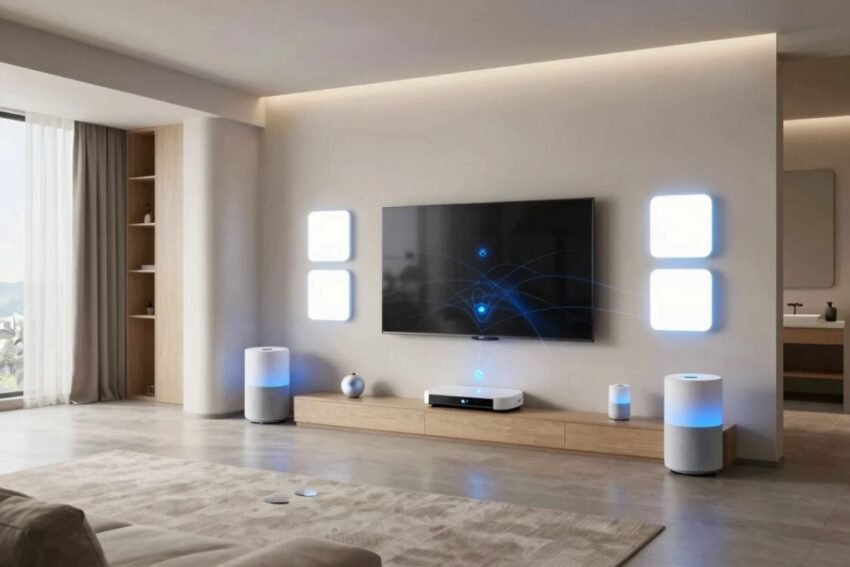
Smart home technology is transforming the way people live by making homes more connected, intelligent, and efficient. In 2026, the combination of Internet of Things (IoT), Artificial Intelligence (AI), automation, and advanced smart devices is creating a new era of modern living.
Smart homes are no longer limited to simple connected lights or voice assistants. Today, intelligent systems can manage energy usage, improve security, automate daily tasks, and provide personalized experiences based on user preferences.
The growth of IoT technology is allowing billions of devices to communicate with each other, creating connected ecosystems that make homes safer, more comfortable, and more efficient.
This article explores the latest Smart Home and IoT trends in 2026, including powerful innovations, benefits, applications, security challenges, and the future of connected living.
What Is Smart Home Technology?
A smart home uses connected devices and automation systems to control different aspects of household operations.
Smart home technology includes:
- Smart lighting
- Smart security systems
- Smart appliances
- Voice assistants
- Smart thermostats
- Connected entertainment devices
- Automated home systems
These devices communicate through internet connections and allow users to control their homes remotely.
What Is the Internet of Things (IoT)?
The Internet of Things (IoT) refers to a network of connected devices that collect, exchange, and process data.
IoT devices use:
- Sensors
- Internet connectivity
- Software
- Artificial Intelligence
- Data analytics
Examples of IoT devices include:
- Smart watches
- Smart cameras
- Smart appliances
- Connected vehicles
- Home automation systems
IoT is the foundation behind modern smart homes.
1. AI-Powered Smart Homes
Artificial Intelligence is becoming one of the biggest drivers of smart home innovation.
AI-powered systems can:
- Learn user preferences
- Automate daily routines
- Predict needs
- Improve energy efficiency
- Provide personalized experiences
For example, an AI smart home system can automatically adjust lighting, temperature, and entertainment settings based on user behavior.
Future smart homes will become more intelligent and capable of making independent decisions.
2. Smart Voice Assistants Evolution
Voice assistants are becoming more advanced in 2026.
Modern assistants can control:
- Lights
- Security systems
- Appliances
- Entertainment devices
- Smart thermostats
AI improvements allow voice assistants to understand natural conversations and provide more accurate responses.
Future voice technology will create smoother human-device interactions.
3. Smart Home Automation Systems
Automation is the heart of modern smart homes.
Smart automation allows homeowners to control:
- Lighting schedules
- Temperature settings
- Security features
- Appliance operations
Automation improves convenience by reducing manual tasks.
Examples include:
- Automatic lights turning on when someone enters a room
- Smart blinds adjusting based on sunlight
- Appliances operating during energy-saving hours
4. Smart Security and AI Surveillance
Home security is one of the fastest-growing smart home areas.
Modern security systems include:
- AI cameras
- Smart door locks
- Motion sensors
- Video doorbells
- Alarm systems
AI-powered security can recognize unusual activities and provide real-time alerts.
Future security systems will become more proactive and intelligent.
5. Energy-Efficient Smart Homes
Energy management is a major focus of smart home technology.
Smart devices help reduce energy consumption through:
- Automated temperature control
- Smart power monitoring
- Energy-efficient appliances
- Solar integration
IoT systems can analyze energy usage and suggest ways to save electricity.
6. Smart Thermostats and Climate Control
Smart climate systems improve comfort and efficiency.
Smart thermostats can:
- Learn temperature preferences
- Adjust automatically
- Reduce energy waste
- Monitor indoor conditions
Future climate systems will use AI to create personalized environments.
7. Connected Smart Appliances
Smart appliances are becoming more common in modern homes.
Examples include:
- Smart refrigerators
- Smart washing machines
- Smart ovens
- Smart coffee makers
These appliances can:
- Monitor usage
- Send notifications
- Optimize performance
- Reduce waste
8. Smart Lighting Innovations
Smart lighting technology is improving home experiences.
Smart lights provide:
- Remote control
- Voice operation
- Automated schedules
- Energy savings
Advanced lighting systems can adjust brightness and color based on mood and activity.
9. IoT-Based Home Healthcare
IoT is transforming healthcare inside homes.
Smart healthcare devices include:
- Health monitoring systems
- Smart wearables
- Remote patient monitoring tools
- Connected medical devices
These technologies help people track health conditions and improve wellness management.
10. Smart Home Robotics
Robotics is becoming part of smart home ecosystems.
Home robots can assist with:
- Cleaning
- Security
- Monitoring
- Personal support
Future home robots will become more intelligent through AI and IoT connectivity.
11. Smart Entertainment Systems
Connected entertainment is improving digital experiences.
Smart entertainment includes:
- Voice-controlled TVs
- Connected speakers
- Streaming systems
- Smart gaming devices
IoT allows different entertainment devices to work together seamlessly.
12. Smart Kitchen Technology
Smart kitchens are becoming more advanced.
Innovations include:
- AI-powered appliances
- Smart cooking assistants
- Connected refrigerators
- Automated kitchen systems
Smart kitchens help improve convenience and reduce food waste.
13. Matter and Universal Smart Home Connectivity
Smart home devices are becoming easier to connect.
New connectivity standards allow different brands of devices to communicate better.
Benefits include:
- Better compatibility
- Easier setup
- Improved user experience
Future smart homes will have more unified ecosystems.
14. Edge Computing in Smart Homes
Edge computing improves smart home performance.
Instead of sending all data to the cloud, devices process information locally.
Benefits include:
- Faster responses
- Better privacy
- Reduced delays
- Improved reliability
15. IoT and Smart Cities Connection
Smart homes are becoming part of larger smart city systems.
Connected homes can interact with:
- Smart energy networks
- Transportation systems
- Public services
- Environmental monitoring
IoT will play a major role in future urban development.
16. Smart Home Data Analytics
Data analytics helps smart homes become more efficient.
Systems analyze:
- Energy usage
- User behavior
- Device performance
- Security information
AI uses this data to improve automation and decision-making.
17. Wearable Technology Integration
Wearable devices are becoming connected with smart homes.
Examples include:
- Smart watches
- Fitness trackers
- Health devices
Wearables can communicate with home systems to create personalized experiences.
18. Smart Home Security Challenges
As smart homes become more connected, security becomes important.
Common risks include:
- Data breaches
- Unauthorized access
- Device hacking
- Privacy concerns
Strong cybersecurity solutions are essential for protecting smart homes.
19. Privacy Protection in IoT
Smart devices collect large amounts of user data.
Future IoT systems must focus on:
- Data encryption
- Secure connections
- User control
- Privacy protection
Building trust will be essential for smart home growth.
20. Sustainable Smart Home Technology
Smart homes support environmental sustainability.
Examples include:
- Energy monitoring
- Smart solar systems
- Efficient appliances
- Automated resource management
IoT helps homeowners reduce waste and improve energy efficiency.
Benefits of Smart Home & IoT Technology
1. Increased Convenience
Automation reduces daily household tasks.
2. Better Energy Efficiency
Smart devices help reduce energy consumption.
3. Improved Security
AI-powered systems provide better protection.
4. Enhanced Comfort
Personalized settings improve living experiences.
5. Remote Control
Users can manage homes from anywhere.
6. Cost Savings
Energy optimization reduces expenses.
Challenges of Smart Home Technology
High Device Costs
Advanced smart systems can require significant investment.
Security Risks
Connected devices may become targets for cyber attacks.
Compatibility Issues
Different devices may not always work together.
Internet Dependency
Smart homes require reliable connectivity.
Privacy Concerns
Data collection must be managed responsibly.
Future Smart Home & IoT Trends in 2026
| Technology | Impact |
|---|---|
| AI Smart Homes | Intelligent automation |
| IoT Devices | Connected living |
| Smart Security | Better protection |
| Smart Energy Systems | Lower consumption |
| Voice Assistants | Easier control |
| Home Robotics | Automated assistance |
| Smart Healthcare | Better wellness monitoring |
| Edge Computing | Faster responses |
| Smart Appliances | Improved efficiency |
| Smart Cities | Connected ecosystems |
Frequently Asked Questions
What are Smart Home and IoT trends in 2026?
Major trends include AI automation, smart security, connected appliances, smart energy systems, and intelligent home assistants.
How does IoT improve smart homes?
IoT connects devices, allowing them to communicate and automate household tasks.
Are smart homes secure?
Smart homes can be secure with strong passwords, encryption, updates, and proper cybersecurity practices.
What are the benefits of smart home technology?
Benefits include convenience, energy savings, better security, comfort, and remote control.
What is the future of smart homes?
Future smart homes will become more intelligent, automated, sustainable, and connected through AI and IoT.
Conclusion
The Smart Home and IoT trends in 2026 show how powerful innovations are transforming modern living. AI-powered automation, connected devices, smart security, energy management, and intelligent assistants are creating homes that are safer, smarter, and more efficient.
As IoT technology continues advancing, smart homes will become an essential part of everyday life. The future of living will be based on seamless connectivity, personalized experiences, and intelligent automation that improves comfort and convenience for everyone.