Introduction
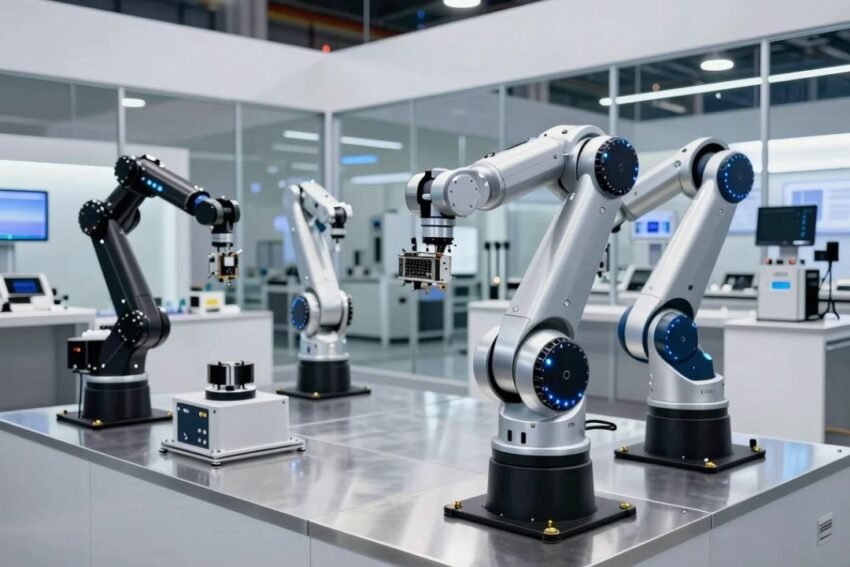
Robotics and automation are becoming some of the most powerful technologies transforming the modern world. In 2026, intelligent machines are moving beyond traditional manufacturing and entering almost every industry, including healthcare, transportation, agriculture, education, retail, and daily life.
Powered by Artificial Intelligence (AI), machine learning, advanced sensors, Internet of Things (IoT), and automation software, modern robots are becoming smarter, faster, and more adaptable.
The latest robotics innovations are helping businesses increase productivity, reduce costs, improve safety, and create new opportunities. From AI-powered humanoid robots to autonomous machines, intelligent technology is changing how people work and interact with machines.
This article explores the top robotics and automation innovations in 2026 and explains how intelligent machines are changing the world.
What Are Robotics & Automation Innovations?
Robotics and automation innovations refer to advanced technologies that allow machines to perform tasks independently or with minimal human assistance.
These innovations include:
- AI-powered robots
- Autonomous systems
- Smart factories
- Humanoid machines
- Robotic assistants
- Automated vehicles
- Intelligent software automation
The goal of these technologies is to improve efficiency, accuracy, and productivity across industries.
1. Artificial Intelligence-Powered Robots
Artificial Intelligence is the biggest driving force behind modern robotics.
AI allows robots to:
- Learn from experience
- Understand commands
- Recognize objects
- Make decisions
- Adapt to environments
Unlike traditional machines, AI robots can analyze situations and improve their performance over time.
Future AI robots will become more independent and capable of handling complex tasks.
2. Humanoid Robots Becoming More Advanced
Humanoid robots are one of the most exciting innovations in robotics.
These robots are designed to perform human-like movements and interactions.
Future humanoid robots may help with:
- Customer service
- Healthcare assistance
- Education
- Home support
- Industrial operations
Advancements in AI, sensors, and robotics engineering are making humanoid robots more practical and intelligent.
3. Collaborative Robots (Cobots)
Collaborative robots are designed to work safely alongside humans.
Unlike traditional industrial robots, cobots can share workspaces with employees.
Benefits of Cobots
- Increased workplace safety
- Flexible operations
- Easy programming
- Improved productivity
- Lower automation costs
Cobots are becoming popular in manufacturing, healthcare, and small businesses.
4. Smart Manufacturing and Industrial Robotics
Manufacturing is experiencing major transformation through robotics.
Smart factories use:
- AI robots
- IoT systems
- Data analytics
- Automated machinery
Robotics helps factories improve:
- Production speed
- Quality control
- Efficiency
- Resource management
Industry 4.0 is creating highly automated manufacturing environments.
5. Autonomous Mobile Robots (AMRs)
Autonomous Mobile Robots are changing logistics and warehouse operations.
AMRs use:
- AI navigation
- Sensors
- Cameras
- Mapping technology
They can independently move products and materials inside facilities.
Applications include:
- Warehouses
- Hospitals
- Distribution centers
- Manufacturing plants
6. Healthcare Robotics Innovation
Healthcare is one of the fastest-growing fields for robotics.
Robots are improving:
- Medical procedures
- Patient care
- Rehabilitation
- Laboratory operations
Healthcare robots help professionals provide better and more accurate services.
7. AI-Assisted Robotic Surgery
Robotic surgery is improving medical treatment.
Advanced surgical robots provide:
- Greater precision
- Better control
- Smaller movements
- Improved accuracy
Future AI-powered surgical systems may assist doctors during complex procedures.
8. Robotics in Agriculture
Agricultural robotics is helping solve modern farming challenges.
Farm robots can perform:
- Planting
- Harvesting
- Crop monitoring
- Weed removal
- Soil analysis
AI agriculture robots improve efficiency and support sustainable farming.
9. Autonomous Vehicles and Robotic Transportation
Transportation is being transformed by automation.
Autonomous vehicles use:
- AI algorithms
- Sensors
- Cameras
- Machine learning
Applications include:
- Self-driving cars
- Delivery robots
- Autonomous trucks
These technologies aim to improve safety and transportation efficiency.
10. AI Automation for Businesses
Businesses are adopting automation to improve daily operations.
AI automation helps with:
- Customer service
- Data processing
- Marketing
- Finance
- Workflow management
Companies can complete tasks faster and focus employees on higher-value activities.
11. Robotic Process Automation (RPA)
Robotic Process Automation focuses on digital workflow automation.
RPA systems can handle:
- Data entry
- Reports
- Documentation
- Administrative tasks
This technology improves productivity and reduces repetitive work.
12. Internet of Things (IoT) Enabled Robotics
IoT allows robots to connect with other devices and systems.
Connected robotics enables:
- Real-time communication
- Data sharing
- Remote monitoring
- Smart decision-making
IoT robotics is essential for smart industries and smart cities.
13. Advanced Robotics Sensors
Modern robots depend on advanced sensors to understand their surroundings.
Important sensor technologies include:
- Cameras
- LiDAR
- Motion detection
- Environmental sensors
Better sensors help robots operate safely and accurately.
14. Drone Robotics and Automation
Drones are becoming intelligent robotic systems.
AI-powered drones are used for:
- Delivery services
- Agriculture
- Security
- Mapping
- Inspection
Future drones will perform more tasks automatically.
15. Robotics in Retail
Retail businesses are adopting robotics to improve customer experiences.
Applications include:
- Inventory management
- Product delivery
- Customer assistance
- Automated checkout
Robotics helps retailers operate more efficiently.
16. Robotics in Education
Robotics is transforming modern education.
Students use robotics technology to learn:
- Coding
- Engineering
- AI
- Problem-solving
Educational robotics prepares future generations for technology careers.
17. Edge Computing for Intelligent Machines
Edge computing improves robotic performance by processing data closer to the machine.
Benefits include:
- Faster responses
- Lower delays
- Real-time decisions
- Better reliability
Edge computing is important for autonomous robotics.
18. Cloud Robotics
Cloud robotics connects robots with cloud computing systems.
Benefits include:
- Greater processing power
- Data sharing
- Remote updates
- Improved learning
Cloud robotics allows machines to become smarter through shared information.
19. Robotics Cybersecurity
As robots become connected, cybersecurity becomes critical.
Protection is needed against:
- System attacks
- Unauthorized access
- Data theft
Future robotics will require advanced security solutions.
20. Sustainable Robotics Solutions
Robotics is supporting environmental sustainability.
Examples include:
- Waste collection robots
- Energy-efficient machines
- Environmental monitoring systems
Automation can help industries reduce waste and improve resource management.
21. Robotics in Space Exploration
Robots are helping explore space environments.
Space robotics supports:
- Planet exploration
- Research missions
- Data collection
- Remote operations
Future robotic explorers may support missions beyond Earth.
22. Smart Home Robotics
Home robotics is becoming more advanced.
Future home robots may assist with:
- Cleaning
- Security
- Elder care
- Personal tasks
Smart robots will improve convenience in everyday life.
23. Robotics and the Future Workplace
Automation is changing how people work.
Future workplaces may include:
- AI assistants
- Robotic support systems
- Automated workflows
- Smart collaboration tools
Humans and machines will increasingly work together.
24. Benefits of Robotics & Automation Innovations
Increased Efficiency
Robots complete tasks faster and more accurately.
Improved Safety
Machines can perform dangerous jobs.
Reduced Costs
Automation improves productivity.
Better Quality
Robots provide consistent results.
New Opportunities
Robotics creates new industries and careers.
25. Challenges of Intelligent Machines
High Costs
Advanced robots require major investment.
Job Transformation
Workers need new skills for changing roles.
Security Risks
Connected machines require protection.
Technical Complexity
Robotics systems need maintenance and expertise.
Ethical Issues
Responsible AI development is important.
Future Robotics & Automation Trends in 2026
| Innovation | Impact |
|---|---|
| AI Robots | Intelligent decision-making |
| Humanoid Robots | Human-like assistance |
| Cobots | Human-machine teamwork |
| Smart Factories | Automated production |
| Healthcare Robotics | Better medical services |
| Autonomous Vehicles | Smarter transportation |
| Drone Robotics | Automated operations |
| Cloud Robotics | Connected intelligence |
| IoT Robotics | Smart systems |
| RPA | Digital automation |
Frequently Asked Questions
What are the top robotics innovations in 2026?
Major innovations include AI robots, humanoid machines, cobots, autonomous vehicles, smart factories, and healthcare robotics.
How are intelligent machines changing the world?
They are improving productivity, safety, healthcare, transportation, and business operations.
Will AI robots replace humans?
Robots will automate tasks, but human creativity and decision-making will remain essential.
Which industries benefit most from robotics?
Manufacturing, healthcare, agriculture, logistics, retail, and transportation benefit greatly.
What skills are important for robotics careers?
Programming, AI, engineering, automation, and machine learning skills are highly valuable.
Conclusion
The top robotics and automation innovations in 2026 are changing the world by introducing smarter, faster, and more capable machines.
AI robots, smart factories, autonomous systems, healthcare robots, and connected technologies are transforming industries and improving everyday life.
The future of robotics is not about machines replacing humans—it is about creating powerful partnerships between people and intelligent technology. As innovation continues, robotics and automation will remain key drivers of global digital transformation.