Introduction
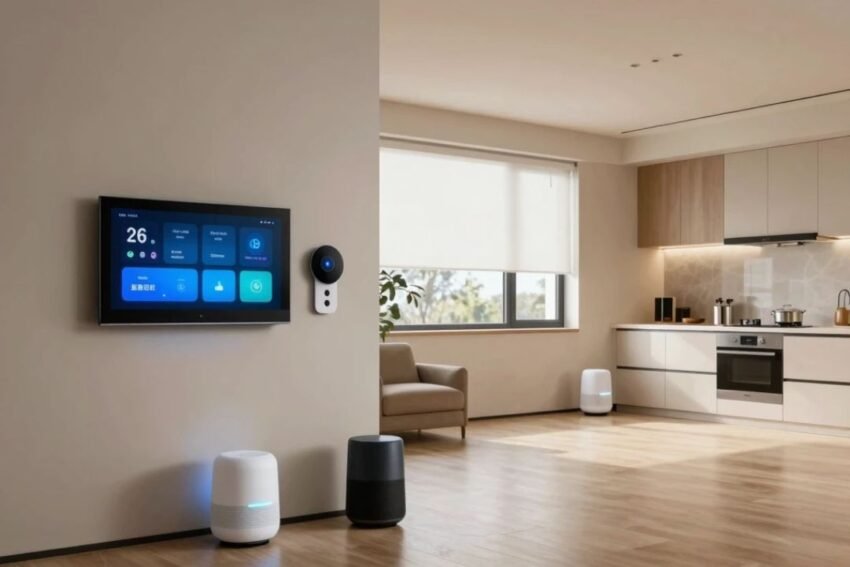
Smart home technology is experiencing rapid growth in 2026 as Artificial Intelligence (AI), Internet of Things (IoT), automation, and connected devices transform traditional houses into intelligent living spaces.
Modern homes are becoming smarter, safer, and more energy-efficient through advanced technologies that allow devices to communicate, learn user preferences, and automatically perform tasks.
From AI-powered security systems and smart appliances to connected healthcare devices and automated energy management, IoT innovations are changing how people interact with their homes.
The future of living is moving toward connected ecosystems where smart devices work together to improve comfort, convenience, and efficiency.
This article explores the top Smart Home and IoT innovations in 2026 and explains how connected devices are changing modern homes.
What Are Smart Home and IoT Innovations?
Smart home innovations use connected technology to automate and improve household activities.
IoT allows devices to communicate through the internet and share information.
Examples of smart home innovations include:
- Smart speakers
- AI security cameras
- Smart lighting
- Connected appliances
- Smart thermostats
- Home automation systems
- Smart healthcare devices
These technologies create homes that are more intelligent and responsive.
1. AI-Powered Smart Home Assistants
Artificial Intelligence is one of the biggest innovations in smart homes.
AI assistants can:
- Understand voice commands
- Learn user habits
- Automate routines
- Control connected devices
- Provide personalized recommendations
Future AI assistants will become more advanced and act like intelligent home managers.
2. Smart Home Automation Hubs
Automation hubs are becoming the center of connected homes.
They connect multiple devices, including:
- Lights
- Cameras
- Appliances
- Security systems
- Climate controls
Smart hubs allow different devices to work together smoothly.
3. AI Smart Security Systems
Home security is being transformed by AI technology.
Modern smart security systems include:
- Facial recognition cameras
- Smart door locks
- Motion detection
- Real-time alerts
- Video monitoring
AI can identify unusual activities and improve home protection.
4. Smart Door Locks and Access Control
Smart locks are replacing traditional security methods.
Features include:
- Fingerprint access
- Mobile control
- Voice commands
- Temporary digital keys
Smart access systems provide better security and convenience.
5. Energy Management with IoT
Energy efficiency is a major focus of smart home innovation.
IoT energy systems can:
- Track electricity usage
- Reduce waste
- Optimize appliance operation
- Manage solar energy
Smart energy solutions help homeowners save money and protect the environment.
6. Smart Thermostats and Climate Technology
Smart climate systems improve comfort and efficiency.
AI-powered thermostats can:
- Learn temperature preferences
- Adjust automatically
- Detect occupancy
- Reduce energy consumption
Future homes will maintain ideal environments automatically.
7. Connected Smart Appliances
Smart appliances are becoming more intelligent.
Examples include:
- AI refrigerators
- Smart washing machines
- Connected ovens
- Smart dishwashers
These appliances can monitor performance, send alerts, and optimize operations.
8. AI-Powered Smart Kitchens
The kitchen is becoming one of the most innovative areas of smart homes.
Smart kitchen technology includes:
- AI cooking assistants
- Connected refrigerators
- Automated meal planning
- Smart food tracking
These innovations improve convenience and reduce food waste.
9. Smart Lighting Systems
Smart lighting is changing home experiences.
Modern lighting systems offer:
- Voice control
- Automatic scheduling
- Energy savings
- Personalized lighting scenes
AI can adjust lighting based on activities and preferences.
10. Smart Healthcare Devices
IoT is improving healthcare inside homes.
Connected healthcare devices include:
- Smart watches
- Health monitors
- Remote patient systems
- Smart medical equipment
These technologies help people monitor health conditions more effectively.
11. Home Robotics and AI Assistants
Robotics is becoming part of smart home ecosystems.
Home robots can assist with:
- Cleaning
- Security monitoring
- Household support
- Elder care
AI improvements are making home robots more useful and intelligent.
12. Smart Entertainment Systems
Connected entertainment devices are improving digital experiences.
Innovations include:
- AI-powered televisions
- Smart speakers
- Connected gaming systems
- Automated media control
IoT allows entertainment systems to work together.
13. Voice-Controlled Smart Homes
Voice control continues growing in popularity.
Users can control:
- Lights
- Music
- Appliances
- Security
- Temperature
Natural language AI is making voice interactions easier and smarter.
14. Advanced IoT Sensors
Sensors are the foundation of smart home technology.
Modern sensors can detect:
- Movement
- Temperature
- Air quality
- Light levels
- Security threats
Better sensors allow homes to respond intelligently.
15. Smart Air Quality Monitoring
Indoor air quality is becoming an important focus.
Smart air systems monitor:
- Pollution levels
- Humidity
- Temperature
- Air freshness
AI can automatically improve indoor air conditions.
16. Smart Home Energy Storage
Energy storage technology is improving smart homes.
Connected systems manage:
- Solar energy
- Battery storage
- Electricity usage
These solutions help create more sustainable homes.
17. IoT-Based Home Security Monitoring
Connected security systems provide continuous protection.
Features include:
- Remote monitoring
- Emergency alerts
- Cloud storage
- Smart notifications
Homeowners can monitor their properties from anywhere.
18. Smart Furniture and Connected Living Spaces
Future homes will include intelligent furniture.
Examples include:
- Smart beds
- Connected desks
- Automated furniture systems
These innovations improve comfort and lifestyle experiences.
19. 5G and Faster Smart Home Connectivity
Faster networks are improving IoT performance.
5G technology provides:
- Lower latency
- Faster communication
- Better device connections
This allows smart devices to respond instantly.
20. Privacy and Security Improvements
As smart homes grow, cybersecurity becomes essential.
Future solutions include:
- Data encryption
- Secure networks
- Privacy controls
- Advanced authentication
Protecting user information will remain a major priority.
Benefits of Smart Home and IoT Innovations
1. Greater Convenience
Smart devices automate daily activities.
2. Improved Security
AI systems provide advanced protection.
3. Energy Savings
IoT helps reduce unnecessary energy usage.
4. Better Comfort
Homes adapt to personal preferences.
5. Remote Management
Users can control homes from anywhere.
6. Increased Efficiency
Automation improves household operations.
Challenges of Smart Home Technology
High Costs
Advanced devices may require significant investment.
Security Risks
Connected devices can face cyber threats.
Privacy Concerns
Personal data protection is important.
Device Compatibility
Different brands may create connection issues.
Technical Challenges
Smart systems require maintenance and updates.
Future Smart Home Innovations Beyond 2026
Future developments may include:
- Fully autonomous AI homes
- Advanced humanoid home robots
- Predictive energy systems
- AI-based personal assistants
- Fully connected smart communities
Smart homes will continue becoming more intelligent and independent.
Smart Home and IoT Trends in 2026 Summary
| Innovation | Impact |
|---|---|
| AI Assistants | Personalized automation |
| Smart Security | Better protection |
| IoT Sensors | Intelligent responses |
| Smart Appliances | Efficient operations |
| Home Robotics | Automated assistance |
| Smart Energy | Lower consumption |
| Healthcare IoT | Better wellness |
| 5G Connectivity | Faster communication |
| Smart Lighting | Improved comfort |
| AI Automation | Smarter living |
Frequently Asked Questions
What are the top smart home innovations in 2026?
Major innovations include AI assistants, smart security, connected appliances, IoT sensors, smart energy systems, and home robotics.
How do IoT devices change homes?
IoT devices connect household systems and allow automatic communication and control.
Are smart homes expensive?
Costs vary depending on devices and features, but many smart technologies are becoming more affordable.
Can smart homes improve energy efficiency?
Yes, smart devices monitor and optimize energy usage.
What is the future of smart homes?
The future includes fully connected AI-powered homes with advanced automation and personalized experiences.
Conclusion
The top Smart Home and IoT innovations in 2026 are changing the way people live by creating more intelligent, connected, and efficient homes.
AI assistants, smart security systems, connected appliances, energy management solutions, and IoT-powered devices are transforming ordinary houses into advanced digital environments.
As technology continues to evolve, smart homes will become more personalized, sustainable, and automated, creating a future where connected devices improve every aspect of modern living.