Introduction
Virtual Reality (VR) and Augmented Reality (AR) are two of the most innovative technologies transforming the digital world. These immersive technologies are changing how people interact with digital content by creating realistic virtual environments and adding digital information to the real world.
In 2026, VR and AR are expanding beyond gaming and entertainment into industries such as healthcare, education, business, manufacturing, retail, automotive, and communication.
Powered by Artificial Intelligence (AI), advanced sensors, spatial computing, 5G connectivity, and powerful hardware, immersive technologies are becoming more realistic, accessible, and useful.
This article explains Virtual Reality and Augmented Reality, including their benefits, applications, devices, challenges, and future trends.
What Is Virtual Reality (VR)?
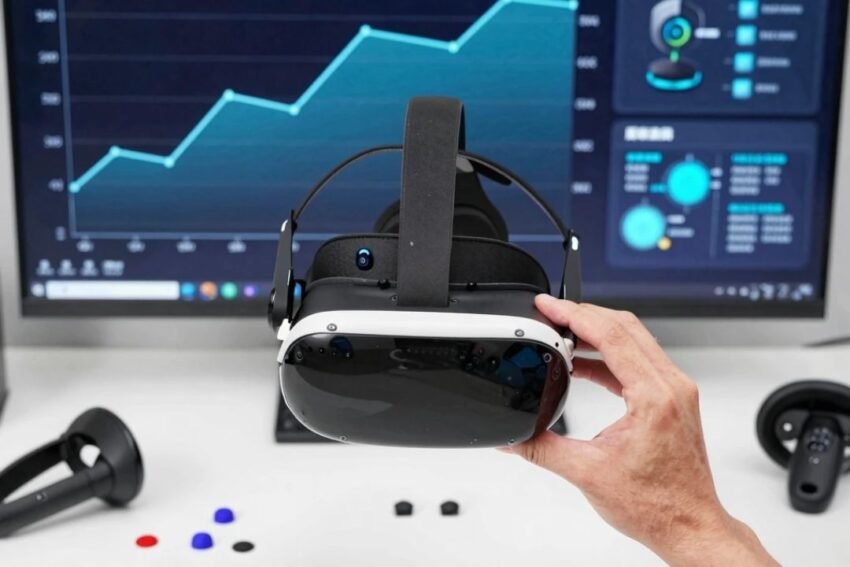
Virtual Reality is a technology that creates a fully digital environment where users can experience a computer-generated world.
VR replaces the physical environment with a virtual one and allows users to interact with digital objects.
VR technology includes:
- VR headsets
- Motion controllers
- Tracking sensors
- 3D graphics
- Spatial audio
Users can explore virtual worlds, play immersive games, attend virtual meetings, or participate in realistic training simulations.
What Is Augmented Reality (AR)?
Augmented Reality adds digital elements to the real-world environment.
Unlike VR, AR does not completely replace reality. Instead, it enhances the user’s surroundings by displaying digital information.
AR technology uses:
- Smartphones
- Smart glasses
- Cameras
- Sensors
- Computer vision
Examples of AR include:
- Navigation overlays
- Virtual product previews
- Educational apps
- Industrial guidance systems
Difference Between VR and AR
| Feature | Virtual Reality (VR) | Augmented Reality (AR) |
|---|---|---|
| Environment | Fully digital | Real world with digital elements |
| Devices | VR headsets | Phones, glasses, smart devices |
| Experience | Complete immersion | Enhanced reality |
| Main Uses | Gaming, training, simulations | Shopping, navigation, assistance |
How VR and AR Technology Works
VR and AR systems combine multiple technologies to create immersive experiences.
Important components include:
Sensors
Sensors track:
- Movement
- Position
- Environment
Artificial Intelligence
AI helps with:
- Object recognition
- User interaction
- Personalization
Computer Vision
Computer vision allows devices to understand the physical world.
Advanced Graphics
3D graphics create realistic digital environments.
Connectivity
5G and cloud technology improve speed and performance.
1. VR and AR Devices
Immersive technology depends on specialized hardware.
Popular devices include:
- VR headsets
- AR smart glasses
- Motion controllers
- Hand tracking devices
- Smart displays
Future devices will become lighter, faster, and more comfortable.
2. VR Gaming Technology
Gaming is one of the largest applications of Virtual Reality.
VR gaming provides:
- 360-degree environments
- Realistic movement
- Interactive gameplay
- Immersive storytelling
Future games will use AI and advanced graphics to create more realistic experiences.
3. AR Gaming Experiences
Augmented Reality is also changing gaming.
AR games combine:
- Real environments
- Digital characters
- Interactive gameplay
Players can experience games in their surroundings.
4. Healthcare Applications
Healthcare is one of the most valuable areas for VR and AR.
Applications include:
- Medical training
- Surgery simulation
- Patient therapy
- Rehabilitation
- Mental health treatment
Immersive technology helps healthcare professionals improve skills and patient care.
5. Education and Learning
VR and AR are transforming education.
Students can explore:
- Virtual classrooms
- Historical locations
- Scientific models
- Interactive lessons
Immersive learning improves understanding and engagement.
6. Business and Workplace Applications
Businesses are using VR and AR for:
- Employee training
- Virtual meetings
- Product demonstrations
- Collaboration
Companies can improve productivity through immersive solutions.
7. Manufacturing and Engineering
Industrial companies use AR technology for:
- Equipment maintenance
- Product design
- Assembly instructions
- Quality inspection
AR provides workers with real-time information.
8. Retail and Shopping
AR is changing online shopping experiences.
Customers can:
- Try products virtually
- Preview furniture
- Test designs
- Visualize purchases
This helps customers make better decisions.
9. Automotive Industry
Car manufacturers use VR and AR for:
- Vehicle design
- Virtual showrooms
- Driver training
- Navigation systems
Immersive technology improves automotive development.
10. Virtual Tourism
VR allows users to explore destinations digitally.
Virtual tourism provides:
- 360-degree tours
- Museum experiences
- Cultural exploration
People can experience locations before visiting.
Benefits of Virtual Reality and Augmented Reality
1. Immersive Experiences
VR and AR create deeper digital interactions.
2. Better Training
Organizations can provide realistic simulations.
3. Improved Education
Students learn through interactive environments.
4. Enhanced Visualization
Professionals can view complex designs in 3D.
5. Increased Customer Engagement
Brands can create interactive experiences.
6. Remote Collaboration
Teams can communicate through virtual spaces.
7. Improved Productivity
Businesses can complete tasks more efficiently.
Challenges of VR and AR Technology
High Hardware Costs
Advanced devices can still be expensive.
Privacy Concerns
AR devices collect environmental information.
Technical Limitations
Battery life, processing power, and device size remain challenges.
User Comfort Issues
Long VR sessions may cause discomfort.
Content Development Costs
Creating immersive content requires significant investment.
Future Trends of VR and AR Technology in 2026
1. AI-Powered Immersive Experiences
AI will create smarter virtual environments and digital characters.
2. Advanced AR Smart Glasses
Smart glasses may become common for everyday use.
3. Spatial Computing Growth
Spatial computing will improve interaction between digital and physical worlds.
4. Mixed Reality Development
MR will combine VR and AR for professional applications.
5. Cloud-Based Immersive Technology
Cloud systems will provide more powerful experiences.
6. Better 5G Connectivity
Faster networks will improve real-time VR and AR applications.
7. AI Digital Humans
Realistic AI avatars will improve communication and customer services.
Future Applications of VR and AR
| Industry | Application |
|---|---|
| Gaming | Immersive gameplay |
| Healthcare | Medical training and therapy |
| Education | Virtual classrooms |
| Retail | Virtual shopping |
| Manufacturing | AR assistance |
| Automotive | Vehicle design |
| Business | Virtual collaboration |
| Tourism | Digital travel experiences |
Frequently Asked Questions
What is Virtual Reality?
Virtual Reality creates a completely digital environment that users can experience through special devices.
What is Augmented Reality?
Augmented Reality adds digital information and objects to the real world.
Are VR and AR the same?
No, VR creates a fully virtual world, while AR enhances the real world with digital elements.
What industries use VR and AR?
Healthcare, education, gaming, retail, manufacturing, automotive, and business industries use these technologies.
What is the future of VR and AR?
The future includes AI-powered experiences, smart glasses, spatial computing, and advanced immersive environments.
Conclusion
Virtual Reality and Augmented Reality are transforming the way people experience digital technology. These immersive solutions are creating new opportunities in entertainment, education, healthcare, business, and many other industries.
With advancements in AI, smart devices, cloud computing, and connectivity, VR and AR will continue becoming more powerful and accessible.
The future of digital experiences will combine the real and virtual worlds, creating smarter, more interactive, and more immersive ways to learn, work, communicate, and entertain.