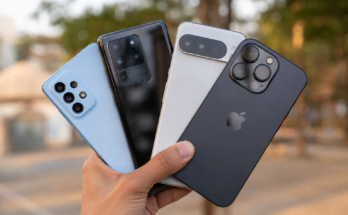
Choosing between Android vs iPhone is one of the biggest decisions when buying a new smartphone. Every year both platforms become smarter, faster, and more powerful. Some people love the flexibility of Android, while others prefer the simplicity and reliability of Apple’s iPhone.
The truth is that there is no single winner for everyone. The best choice depends on your budget, lifestyle, and the features you value most. In this guide, I will compare Android and iPhone in every important area to help you decide which one is worth your money in 2026.
Android vs iPhone: Quick Overview
Before going into details, here is a simple comparison.
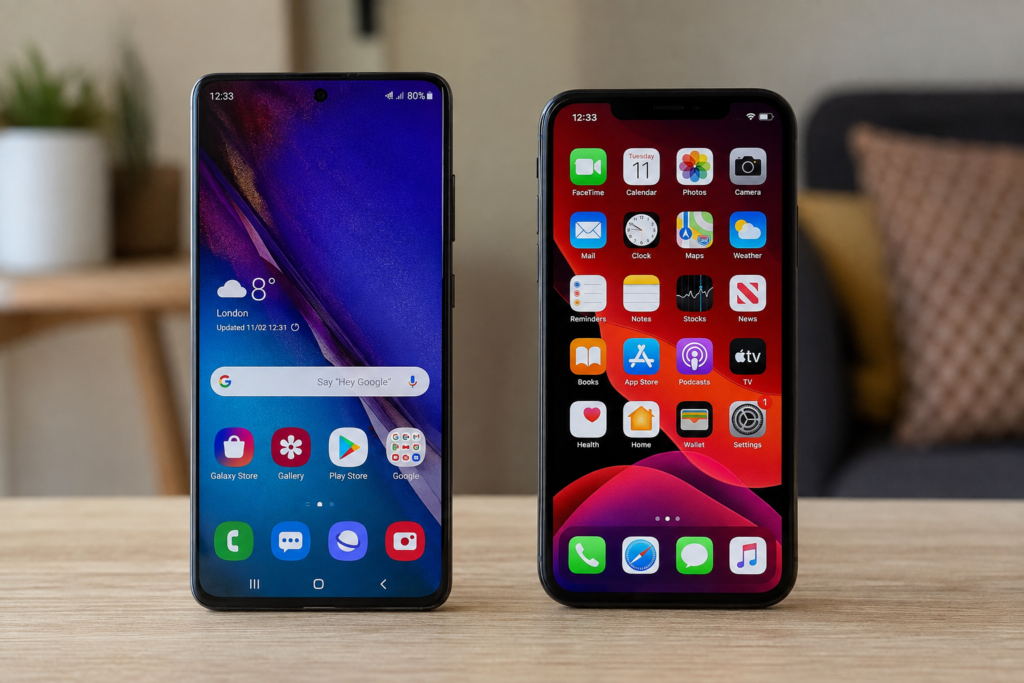
Android offers more device choices, flexible customization, and a wider price range. You can buy an Android phone for under $200 or spend over $1,500 on a premium flagship.
The iPhone focuses on a premium experience with smooth performance, long software support, and excellent integration with other Apple devices.
If you want freedom and variety, Android is usually the better option. If you want consistency and simplicity, the iPhone is often the better choice.
Design and Build Quality
Modern smartphones look better than ever. Both Android manufacturers and Apple produce premium devices with glass backs, aluminum frames, and beautiful displays.
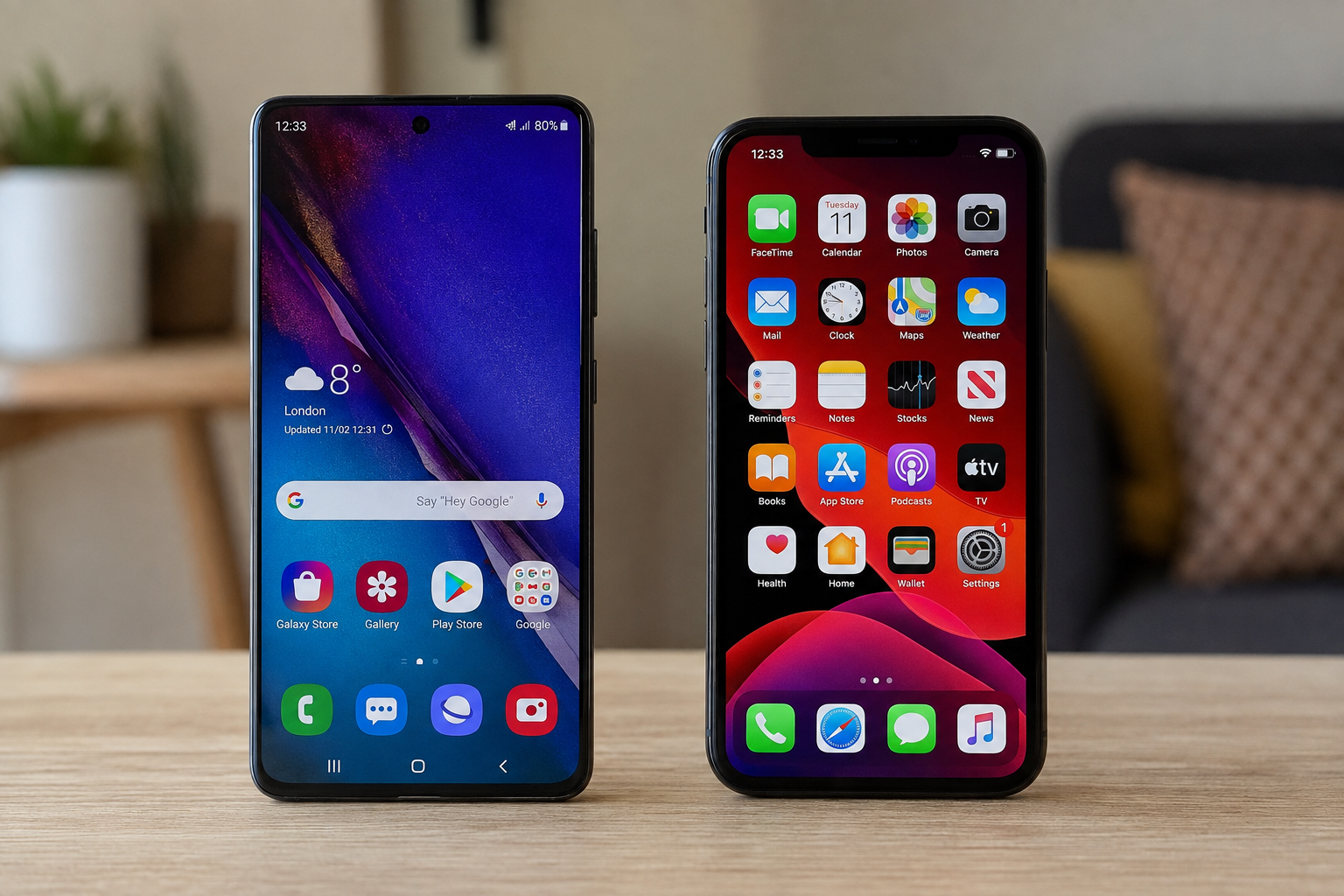
Apple follows a consistent design language. Every new iPhone feels familiar, making it easy for existing users to upgrade.
Android phones come in many styles. Samsung, Google, OnePlus, Xiaomi, and other brands all have their own designs. Some phones focus on slim bodies, while others include foldable displays or gaming features.
If you enjoy having many design options, Android clearly offers more choices.
Display Quality
Display quality has improved significantly over the last few years.
Most flagship Android phones offer AMOLED screens with refresh rates of 120Hz or even higher. These displays produce vibrant colors, deep blacks, and incredibly smooth scrolling.
Apple also uses excellent OLED displays on its premium iPhones with outstanding brightness and color accuracy.
For watching movies, gaming, and browsing social media, both platforms provide an excellent viewing experience.
Budget Android phones may have LCD screens, while even older iPhones usually provide reliable display quality.
Performance
Performance is one area where both Android and iPhone perform exceptionally well.
Apple designs its own processors, which are known for speed and efficiency. Even after several years, older iPhones continue running smoothly because Apple optimizes both hardware and software together.
Android phones use processors from Qualcomm, MediaTek, or Google. High end Android devices are extremely fast and can easily handle gaming, video editing, and multitasking.
In everyday use, most people will not notice a major difference between flagship Android phones and the latest iPhone.
Software Experience
Software is where Android and iPhone become very different.
Android allows extensive customization. You can change themes, install different launchers, customize icons, use widgets freely, and even replace many default apps.
The iPhone offers a cleaner and more consistent interface. Apple focuses on simplicity, making it easy for anyone to learn and use.
Many users prefer Android because they enjoy personalizing their phones. Others prefer the iPhone because everything works with minimal setup.
Your personal preference matters more than benchmarks in this category.
App Store Quality
Both platforms have millions of apps.
Apple’s App Store is known for strict quality control. Developers often optimize their apps for iPhones first because there are fewer devices to support.
Google Play Store offers an enormous selection of apps and greater flexibility. You can even install apps from outside the Play Store if you choose.
For most users, both app stores provide everything they need.
Popular apps like WhatsApp, Instagram, Facebook, YouTube, Netflix, Spotify, and TikTok work equally well on both platforms.
Camera Performance
Smartphone cameras have become incredibly powerful.
Apple consistently delivers natural looking photos and excellent video recording. Many content creators prefer iPhones because video quality remains among the best available.
Android manufacturers offer different camera experiences.
Samsung produces colorful and vibrant images.
Google Pixel phones are famous for outstanding computational photography.
Xiaomi and OnePlus also offer impressive cameras in their flagship models.
If photography is your priority, both Android and iPhone have excellent options.
Rather than choosing a platform, it is better to compare individual phone models.
Battery Life
Battery performance depends more on the specific phone than the operating system.
Many Android phones include batteries over 5,000mAh, allowing them to last an entire day or longer.
Apple continues improving battery efficiency with every new iPhone generation.
Most flagship phones now comfortably last a full day with normal use.
Heavy gamers and video creators may still need to recharge before bedtime regardless of the platform.
Charging Speed
Android clearly has an advantage in charging technology.
Many Android smartphones support very fast charging that can reach over 80 percent in around 30 minutes.
Wireless charging is also widely available on premium Android models.
Apple has improved charging speeds but still focuses more on battery health than extremely fast charging.
If charging speed matters to you, Android usually wins.
Software Updates
Software support is one of Apple’s biggest strengths.
Apple typically provides updates for many years, allowing older iPhones to receive the latest features and security improvements.
Android support varies by manufacturer.
Google and Samsung now offer several years of updates for their flagship devices, making Android much more competitive than before.
Still, Apple generally provides longer and more consistent software support.
Customization
Customization is where Android truly shines.
You can completely redesign your home screen, install custom keyboards, use different launchers, create automation routines, and adjust many system settings.
The iPhone has become more customizable over time with widgets and personalization options, but it still remains more restricted compared to Android.
If you enjoy making your phone unique, Android is the better choice.
Security and Privacy
Both Android and iPhone take security seriously.
Apple promotes privacy as one of its biggest strengths by limiting app tracking and giving users more control over personal information.
Android has also made major improvements with stronger permissions, regular security updates, and advanced privacy controls.
Keeping your device updated and downloading apps from trusted sources is more important than the platform itself.
Ecosystem
Apple has one of the strongest technology ecosystems available.
If you already own a Mac, iPad, Apple Watch, or AirPods, an iPhone works seamlessly with those devices.
You can easily transfer files, answer calls from your computer, and continue tasks across multiple devices.
Android also has a growing ecosystem through brands like Samsung and Google, but compatibility varies depending on the manufacturer.
People invested in Apple’s ecosystem usually find it difficult to switch.
Price and Value
Price is one of Android’s biggest advantages.
Android phones are available in every budget category.
You can find reliable entry level phones for under $200, excellent mid range devices around $400, and premium flagship models above $1,000.
Apple mainly focuses on the premium market.
Although older iPhones become more affordable over time, they generally remain more expensive than comparable Android devices.
If you have a limited budget, Android offers far more choices.
Gaming Experience
Both platforms deliver an excellent gaming experience.
High end Android phones often include advanced cooling systems, gaming modes, and high refresh rate displays.
The iPhone benefits from Apple’s powerful processors and optimized games.
Popular games like PUBG Mobile, Call of Duty Mobile, Genshin Impact, and Fortnite run smoothly on flagship devices from both platforms.
Gamers should compare specific phone models instead of choosing only based on the operating system.
Who Should Buy an Android Phone?
Android is the better option if you want flexibility, customization, and better value for money.
Choose Android if you:
- Want more phone choices
- Prefer lower prices
- Like customizing your device
- Need faster charging
- Enjoy trying new technology
- Want expandable storage on some models
Android works well for students, professionals, gamers, and users who enjoy having complete control over their devices.
Who Should Buy an iPhone?
The iPhone is an excellent choice if you want a simple and reliable experience.
Choose an iPhone if you:
- Already own Apple products
- Want long software support
- Prefer a consistent user experience
- Need outstanding video recording
- Value privacy and security
- Like dependable performance for many years
Many users stay with the iPhone because it simply works without requiring much customization.
Final Verdict
The debate over Android vs iPhone will continue for years because both platforms are excellent in their own ways.
If you want maximum flexibility, affordable options, fast charging, and complete customization, Android is the smarter choice. It gives you more freedom and offers phones for every budget.
If you want smooth performance, reliable software updates, premium build quality, and seamless integration with other Apple devices, the iPhone is an excellent investment that can easily last for years.
At the end of the day, the best smartphone is the one that fits your needs, your budget, and your daily routine. Instead of following trends or brand loyalty, think about how you actually use your phone. Whether you choose Android or iPhone, you will be getting a powerful device capable of handling work, entertainment, photography, gaming, and communication with ease in 2026.