How to Speed Up a Slow Windows PC
A slow Windows PC can be one of the most frustrating things to deal with. You click on an app and wait. You open a browser and it takes forever to load. Even simple tasks like copying files or switching between programs become annoying. The good news is that you do not always need to buy a new computer. In many cases, a few simple changes can make your PC feel much faster.
In this guide, I will share practical and easy methods to speed up a slow Windows PC. These tips work for Windows 10 and Windows 11 and do not require advanced technical knowledge. If your computer has become slower over time, these solutions can help improve its performance and make it feel responsive again.
Why Does a Windows PC Become Slow?
Before fixing the problem, it helps to understand why it happens. Most computers become slower because unnecessary files, background programs, outdated software, and limited storage gradually affect performance.
Some of the most common reasons include too many startup programs, low available storage, malware infections, outdated drivers, insufficient RAM, and hard drives that are getting old. Finding the cause makes it easier to choose the right solution.
Restart Your Computer Regularly
Many people leave their computers running for days or even weeks without restarting them. While Windows is designed to stay on for long periods, restarting your PC clears temporary memory, closes unnecessary background processes, and refreshes the operating system.
If your PC suddenly feels slow, restarting it should be the first thing you try. You may notice an immediate improvement.
Disable Unnecessary Startup Programs
One of the biggest reasons for a slow Windows PC is too many programs launching automatically when Windows starts.
Many applications install startup services without asking. These programs continue running in the background even if you never use them.
To disable unnecessary startup apps:
Open Task Manager.
Click the Startup Apps tab.
Look for applications that you rarely use.
Disable anything that does not need to start automatically.
Keeping only essential startup programs can significantly reduce boot time and improve overall system performance.
Free Up Disk Space
Windows needs free storage space to operate efficiently. If your drive is almost full, your computer may become much slower.
Delete files you no longer need, empty the Recycle Bin, and uninstall software that you never use.
You can also use Windows Storage Sense, which automatically removes temporary files and unnecessary data.
A good rule is to keep at least 20 percent of your storage drive free whenever possible.
Remove Temporary Files
Temporary files build up every day while using Windows. Although they help applications work properly, they eventually become unnecessary.
Removing temporary files can free storage space and improve system speed.
Simply search for Disk Cleanup or use Storage Settings in Windows to safely remove temporary system files, cached data, and old update files.
Uninstall Programs You No Longer Need
Many computers come with software that users never open. Over time, additional programs are installed and forgotten.
Unused software consumes storage, background resources, and sometimes even system memory.
Go through your installed applications and remove anything you no longer need.
Fewer installed applications often mean better performance.
Scan for Malware and Viruses
Malware is one of the most common reasons a Windows PC becomes extremely slow.
Some malicious software secretly uses your processor, internet connection, and memory without your knowledge.
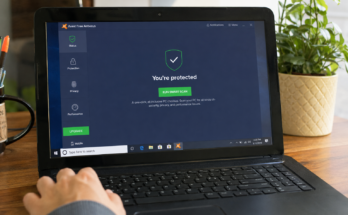
Run a complete system scan using Windows Security or another trusted antivirus program.
Keeping your computer free from malware helps maintain both performance and security.
Update Windows
Many people avoid Windows updates because they take time. However, updates often include performance improvements, security fixes, and bug corrections.
Open Windows Update and install the latest available updates.
After updating, restart your computer to complete the installation.
An updated operating system usually performs more smoothly than an outdated one.
Update Device Drivers
Drivers allow Windows to communicate with your hardware.
Outdated graphics drivers, chipset drivers, network drivers, or storage drivers can reduce system performance.
Visit your computer manufacturer’s website or use Windows Update to install the latest drivers.
Keeping drivers updated helps ensure your hardware runs efficiently.
Upgrade to an SSD
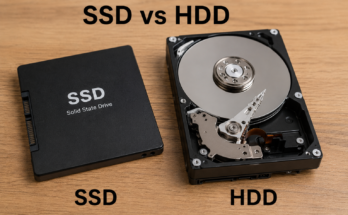
If your computer still uses a traditional hard disk drive, upgrading to a Solid State Drive is one of the biggest performance improvements you can make.
An SSD loads Windows much faster, opens applications quickly, and reduces waiting times dramatically.
Even older computers often feel like new after switching from an HDD to an SSD.
This upgrade offers one of the best values for improving a slow Windows PC.
Add More RAM
Insufficient memory can make multitasking difficult.
If your computer struggles while running several browser tabs, office applications, or editing software, adding more RAM may solve the problem.
For most users, 8 GB of RAM is a comfortable minimum.
If you regularly edit videos, work with large files, or play games, 16 GB or more provides even better performance.
Close Background Applications
Many programs continue running even after you close their windows.
These background applications consume processor power and memory.
Open Task Manager and check which applications are using the most resources.
Close unnecessary programs that are consuming excessive CPU, memory, or disk usage.
This simple step can noticeably improve performance.
Adjust Visual Effects
Windows includes animations and graphical effects that make the interface look attractive.
On slower computers, these visual effects can reduce performance.
Search for Advanced System Settings.
Open Performance Settings.
Choose Adjust for Best Performance or manually disable unnecessary animations.
Reducing visual effects allows Windows to focus more resources on actual work instead of animations.
Keep Your Desktop Organized
A cluttered desktop with hundreds of files can slow down Windows, especially during startup.
Create folders for documents, move large files to another location, and keep only frequently used shortcuts on your desktop.
A clean desktop also makes your workspace easier to manage.
Manage Browser Extensions
Your web browser may be the main reason your computer feels slow.
Too many extensions consume memory and processor resources.
Open your browser’s extension manager and remove anything you no longer use.
Also clear your browser cache regularly.
A lightweight browser with fewer extensions often feels much faster.
Disable Background Apps
Windows allows many applications to continue running in the background.
Some apps constantly check for updates, synchronize files, or send notifications.
Disable background activity for applications that you rarely use.
Reducing unnecessary background tasks helps improve battery life and overall system speed.
Check for Overheating
Computers automatically reduce processor speed when temperatures become too high.
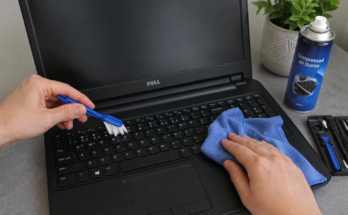
Dust inside cooling fans and blocked air vents often cause overheating.
Clean your computer carefully using compressed air and ensure proper airflow around the device.
Lower temperatures help maintain maximum performance.
Optimize Power Settings
Many laptops use Power Saver mode by default.
While this extends battery life, it also reduces processor performance.
Switch to Balanced or Best Performance mode when you need maximum speed.
Desktop users should also verify that power settings are not limiting hardware performance.
Defragment Traditional Hard Drives
If your computer still uses an HDD instead of an SSD, defragmenting the drive can improve performance.
Windows includes a built in optimization tool that reorganizes stored data for faster access.
Do not manually defragment SSDs because Windows already manages them automatically.
Reset Windows as a Last Resort
If your computer remains slow after trying every solution, resetting Windows may be the best option.
A fresh installation removes accumulated software problems, unnecessary applications, and corrupted system files.
Back up your important files before performing a reset.
Many users are surprised by how much faster their PC becomes after reinstalling Windows.
Regular Maintenance Tips
Keeping your computer fast is easier than fixing a severely slow system.
Develop a few simple habits such as uninstalling unused software, deleting unnecessary files, updating Windows regularly, scanning for malware, and restarting your PC every few days.
Small maintenance tasks prevent performance problems from building up over time.
Final Thoughts
Learning how to speed up a slow Windows PC does not require expensive software or advanced technical skills. In many cases, removing unnecessary startup programs, freeing storage space, updating Windows, scanning for malware, and keeping your system organized are enough to restore excellent performance.
If your computer is several years old, upgrading to an SSD and adding more RAM can provide the biggest improvements. Combined with regular maintenance, these upgrades can make even an older Windows PC feel fast and responsive again.
Instead of replacing your computer immediately, try the methods in this guide. Most users notice a significant difference after applying just a few of these optimization techniques, allowing them to enjoy a smoother, faster, and more reliable Windows experience.